A Journey Through LGBTQIA+ History and Mental Health
When you come out, find your partner, or simply exist as your authentic self, you're not doing it alone. Hundreds of years of struggle, resilience, and activism have made your life possible. Understanding LGBTQIA+ history isn't about honoring those who came before. It's about recognizing how your own nervous system carries the weight of that past, and how celebrating our collective survival eases your own anxiety today.
The Medical Pathologization and Its Lasting Mental Health Impact
Before the modern LGBTQIA+ movement existed, being gay, trans, or gender non-conforming was classified as a mental illness. In 1952, homosexuality appeared in the DSM (Diagnostic and Statistical Manual). This wasn't a neutral medical classification. It was a tool used to pathologize human beings, justify conversion therapy, and teach LGBTQ+ people to hate themselves.
The wounds from this period didn't disappear when the DSM was corrected. Many of us grew up with the echo of that message: something is wrong with you. That internalized belief system continues to fuel anxiety, shame, and self-doubt in LGBTQ+ people today, even those born decades after homosexuality was removed from psychiatric manuals.
Your nervous system learned to perceive your identity as dangerous. That's not personal failure. That's inherited trauma responding to a real threat that once existed.
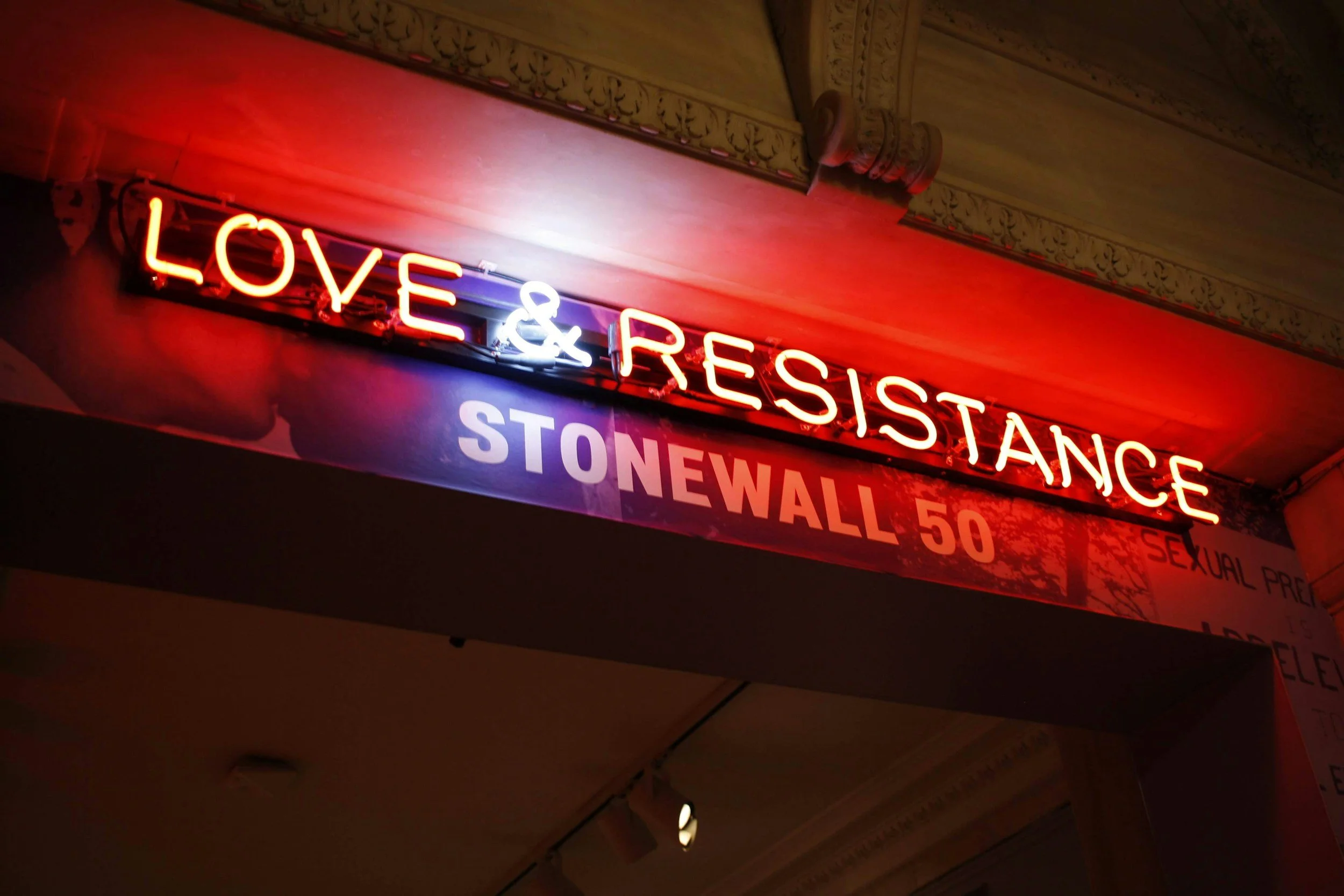
Stonewall and the Birth of Visible Resistance
On June 28, 1969, trans women of color and drag queens, many of them homeless and from working-class communities, fought back during a police raid at the Stonewall Inn in New York City. They had nothing to lose and everything to gain. They threw bricks. They stood their ground. They said: we exist, and we will not apologize.
Stonewall wasn't the first resistance. But it was the moment when LGBTQ+ people stopped asking permission to exist and started demanding it.
For many LGBTQ+ people today, Stonewall represents something crucial: a moment when visibility felt possible. When people who looked like us, loved like us, and lived like us refused invisibility. That refusal is wired into Pride. It's in the protests, the parades, the unapologetic existence of millions of LGBTQ+ people living their lives openly.
Your ability to come out, to be seen, to claim your identity publicly. This was bought with the courage of people who had far less safety than you do.
Gay Pride and the Evolution of Celebration
Pride Month evolved from a moment of desperation into a celebration of survival. By the 1970s, Pride marches were happening in major cities across North America. By the 1980s and 1990s, Pride had become both a celebration and a political statement.
But Pride is complicated. For some, it's pure joy and community. For others, it's a reminder of ongoing oppression. Many LGBTQ+ people feel conflicted during Pride: proud of who they are, anxious about visibility, grieving those we've lost to AIDS, violence, and suicide, while also celebrating how far we've come.
Your relationship with Pride, visibility, and celebration is valid, no matter what it looks like.
Marriage Equality and the Illusion of "Done"
In 2015, the Supreme Court legalized same-sex marriage across the United States. The internet erupted with rainbows. Major corporations changed their logos. It felt like a finish line.
But marriage equality didn't end discrimination. It didn't erase the higher rates of anxiety, depression, and suicide in LGBTQ+ populations. It didn't make coming out safe for everyone. It didn't stop the harassment, the conversion therapy practices that still exist in some places, or the deep internalized shame that many LGBTQ+ people carry.
What marriage equality did do was make it harder for LGBTQ+ people to believe their anxiety about discrimination is justified. If marriage is legal, if Pride is celebrated by corporations, if LGBTQ+ people are "accepted," then why do you still feel unsafe? Why is your nervous system still in high alert?
The answer is simple: visible legal progress and lived safety are not the same thing.
The Mental Health Crisis Within Our Community
LGBTQ+ people face significantly higher rates of anxiety, depression, substance use, and suicide than cisgender, heterosexual populations. This isn't because being LGBTQ+ causes these conditions. It's because the world creates conditions that trigger them.
Minority stress, the unique, chronic stress of being a sexual or gender minority in a largely hostile world. This accumulates in the body. Experiencing discrimination, hiding your identity, or managing the fear of losing safety, family, or employment creates a nervous system that stays in protection mode.
Your anxiety isn't a character flaw. It's an intelligent response to real and ongoing threats.
How History Lives in Your Body Today
Every time you pause before mentioning your partner at work, your nervous system is remembering a time when that was dangerous.
Every time you check the news and feel a surge of dread about legislation targeting trans people, you're responding to a real threat, rooted in decades of legal and social violence.
Every time you struggle with shame about your body, your sexuality, or your gender identity, you're carrying the weight of centuries of religious doctrine, medical pathology, and cultural messaging that taught you to despise yourself.
This is not your burden to carry alone. Understanding the historical roots of your anxiety eases it. Your feelings are not personal weakness. They're the nervous system wisdom of a community that has survived incredible adversity.
What You Can Do: Honoring History and Reclaiming Your Present
Learn the stories (your way)
You don't need to become a historian. But learning about LGBTQIA+ figures and movements that resonate with you, whether that's Harvey Milk, Marsha P. Johnson, Leslie Jordan, or activists in your own community, helps you feel less alone. It reminds you that visibility and resistance are possible.
Question the narrative
because legal progress exists doesn't mean you're safe. Because Pride is celebrated commercially doesn't mean discrimination has ended. Your anxiety about discrimination isn't outdated. It's accurate. Trusting that knowledge eases some of the secondary anxiety (anxiety about your anxiety) that often comes with LGBTQ+ mental health struggles.
Find your community
History shows us that LGBTQ+ people survive through community. Whether that's chosen family, online spaces, therapy with an LGBTQ+-affirming therapist, or local organizations, connection reduces the chronic stress of isolation. Your nervous system needs to know it's in good company.
Create space for complicated feelings
You're proud of your identity and scared about the future. You celebrate Pride and grieve. You acknowledge progress and recognize ongoing oppression. These aren't contradictions. They're the reality of being LGBTQIA+ in this moment in history.
Practice nervous system regulation
Understanding your history is healing, but it triggers. Practices like the Safe and Sound Protocol, breathwork, or simply spending time in affirming spaces help your nervous system feel safer as you process both collective and personal trauma.
FAQ
Why is LGBTQIA+ history important for my mental health?
Understanding how your identity was pathologized, criminalized, and eventually fought for helps you separate what you've internalized from what's true about you. It contextualizes your anxiety as a response to real historical and ongoing oppression, not a personal failure. Knowing that LGBTQ+ people have survived and thrived for centuries eases the isolation of struggle.
How do I cope with the sadness I feel about LGBTQ+ history?
Grief about the past is appropriate and healthy. Many LGBTQ+ people carry grief about people lost to AIDS, suicide, violence, or erasure. Allowing yourself to feel grief, potentially with a therapist or community, is part of healing. Your body and heart recognize loss that your mind might minimize. Honor that.
Does learning about Stonewall and activism reduce anxiety?
For some people, yes. Connecting with a history of resistance and survival is empowering and grounding. For others, focusing on historical trauma intensifies anxiety. Both responses are valid. Work with what helps your nervous system, not what you think should help.
I don't feel connected to Pride or LGBTQ+ community. Does that mean something is wrong with me?
No. Your relationship with visibility, community, and celebration is personal. Some LGBTQ+ people thrive in Pride celebrations. Others find them overwhelming, triggering, or disconnected from their experience. Your nervous system's response to visibility is based on your unique history and present circumstances. Trust it.
How do I balance knowing about discrimination and oppression while also taking care of my mental health?
This is one of the central challenges of being LGBTQ+ in the current moment. You might benefit from setting information boundaries (limiting news consumption), finding supportive people to process with, and regularly engaging in practices that help your nervous system feel safe and regulated. You don't have to choose between being informed and being okay.
Is therapy important for LGBTQ+ mental health?
Therapy is valuable, especially with a therapist who is LGBTQ+-affirming and trained in trauma-informed care. Your mental health struggles often have real roots in discrimination and oppression. A good therapist helps you separate internalized beliefs from truth, and supports your nervous system in healing.
Where do I start if I want to learn more about LGBTQIA+ history?
Start with whatever feels accessible and relevant to your own identity and interests. Read memoirs by LGBTQ+ people, watch documentaries, follow LGBTQ+ historians on social media, or visit local museums and archives. Learning is informal and self-paced. You're not preparing for an exam. You're connecting with your own people.
If you're carrying the weight of this history in your body, therapy helps. An LGBTQ+-affirming therapist understands the unique mental health challenges facing our community. Explore LGBTQ+-affirming therapy to see what support looks like for you.
About the Author
Taylor Garff, M.Coun, LCPC, CMHC, LPC, CCATP is a licensed therapist with over 10 years of experience helping adults manage anxiety, overwhelm, and identity challenges. He is certified in HeartMath, Safe and Sound Protocol (SSP), and breathwork facilitation. Taylor is the founder of Inner Heart Therapy, where he provides online therapy across multiple states.
