5 Relaxation Tips for Stress Relief
TL;DR
• Stress overload keeps your system on alert longer than it needs to
• You can teach your body to downshift on purpose
• Try a 60-second breath, a 3-minute movement snack, and one evening wind-down routine
• Pick one tool and repeat it daily, consistency beats intensity
Most of us know we need to keep our bodies healthy through diet and exercise, but our nervous systems often run in the red. [ADD] The good news: small, repeatable practices calm stress faster than long, complicated routines.

Meditation
Meditation can be a potent tool in the fight against stress, though it takes time to learn. It’s highly recommended that you meditate regularly, even if you aren’t feeling particularly stressed. Meditating for five minutes can significantly affect how you feel about your stress level. Try searching YouTube for a meditation you like, and make a playlist!
Try this: Set a 3-minute timer, sit comfortably, and breathe naturally while you notice one sound and one body sensation. When your mind wanders (it will), gently return to sound or sensation.
Breathing Exercises
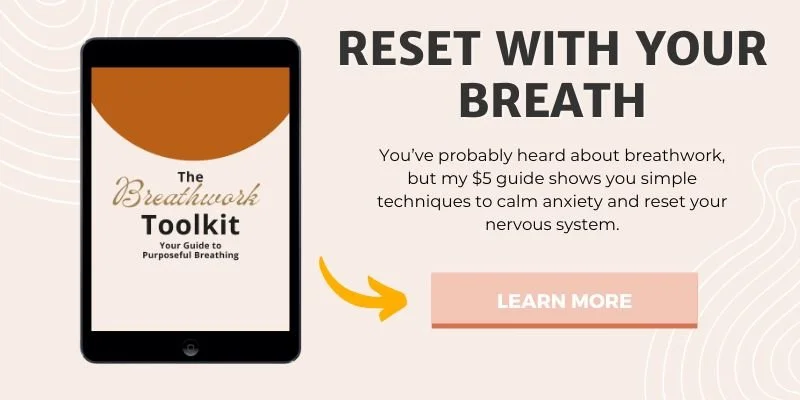
There are specific breathing exercises that you can do to reduce your mental and physical stress level rather quickly. There are several techniques to try, but one is to breathe in through your nose and exhale slowly through your mouth. Often that’s enough to take you out of your mental chatter and into the present moment.
Try this: Inhale for 4 counts, exhale for 6–8 counts, 8–10 breaths. If deep breathing feels edgy, hum on the exhale.
Get Some Exercise
Another great way to reduce and prevent the amount of stress you experience is through exercise. Whether running, cycling, swimming, or lifting weights, physical exercise can make you feel better overall. The mental and physical benefits of exercise have been well documented, so it’s just a matter of finding something you enjoy doing. Some people love running, while others prefer riding a bike.
Try this: Set a 3-minute movement snack: one minute of shoulder rolls, one brisk lap or stair flight, then one minute of gentle sway.
Listen to Music
Simply listening to one of your favorite songs or artists can be incredibly useful when compellingly dealing with stress. Sometimes this means listening to something fast and loud and letting out any anger or emotion, or you could try listening to slow, mellow music to relax your mind.
Try this: Build a 3-song “downshift” mini-playlist (wired → slower tempo; shut-down → slightly faster first, then mid-tempo). Use it only for stress relief so your body learns the cue.
Visualization
Although it may seem similar to meditating, visualization techniques can be a great way to get instant relief from stress. Sit down, close your eyes, and imagine you are in a beautiful and relaxing place. This can be a sandy beach, under a waterfall, or even eating a delicious meal in your favorite restaurant. Make sure that you focus on the details of your place and what you do while in it. Practice this regularly as a way to bring calm to your life.
Try this: Picture your scene and add two senses (temperature + sound). Stay for 60–120 seconds while extending your exhale.
FAQs
What if breathing makes me feel more anxious?
Try humming on the exhale, counting only the out-breath, or keeping eyes open and softly focused. You can also switch to movement first, then return to breath.
How long until this works?
Your body learns by repetition. Practice one tool daily for a week. Small, consistent signals beat long, occasional sessions.
When should I get extra support?
If stress is disrupting sleep, work, relationships, or your health, therapy gives you structure and tools you can use this week.
Find support where you are: Boise Area • Salt Lake City Area • Denver Area • Connecticut
About the Author
Taylor Garff, M.Coun, LCPC, CMHC, LPC, is a licensed therapist with over 10 years of experience helping adults manage anxiety, overwhelm, and identity challenges. He is certified in HeartMath, Safe and Sound Protocol (SSP), and breathwork facilitation. Taylor is the founder of Inner Heart Therapy, where he provides online therapy across multiple states.
Last reviewed: November 5, 2025 by Taylor Garff, M.Coun, LCPC, CMHC, LPC
