Building Healthier Relationships and Community As A Gay Man
Community promises safety and belonging. For many gay men, reality feels more complicated. Queer spaces help and hurt at the same time. Friend groups feel precious and stressful. Dating brings both hope and dread.
Relationship patterns grow out of nervous system history, not only preference. A body that lived through secrecy, bullying, or rejection carries that memory into clubs, DMs, and dinner parties.
This hub looks at friendship, dating, community, and therapy through that lens.
Why relationships feel so loaded
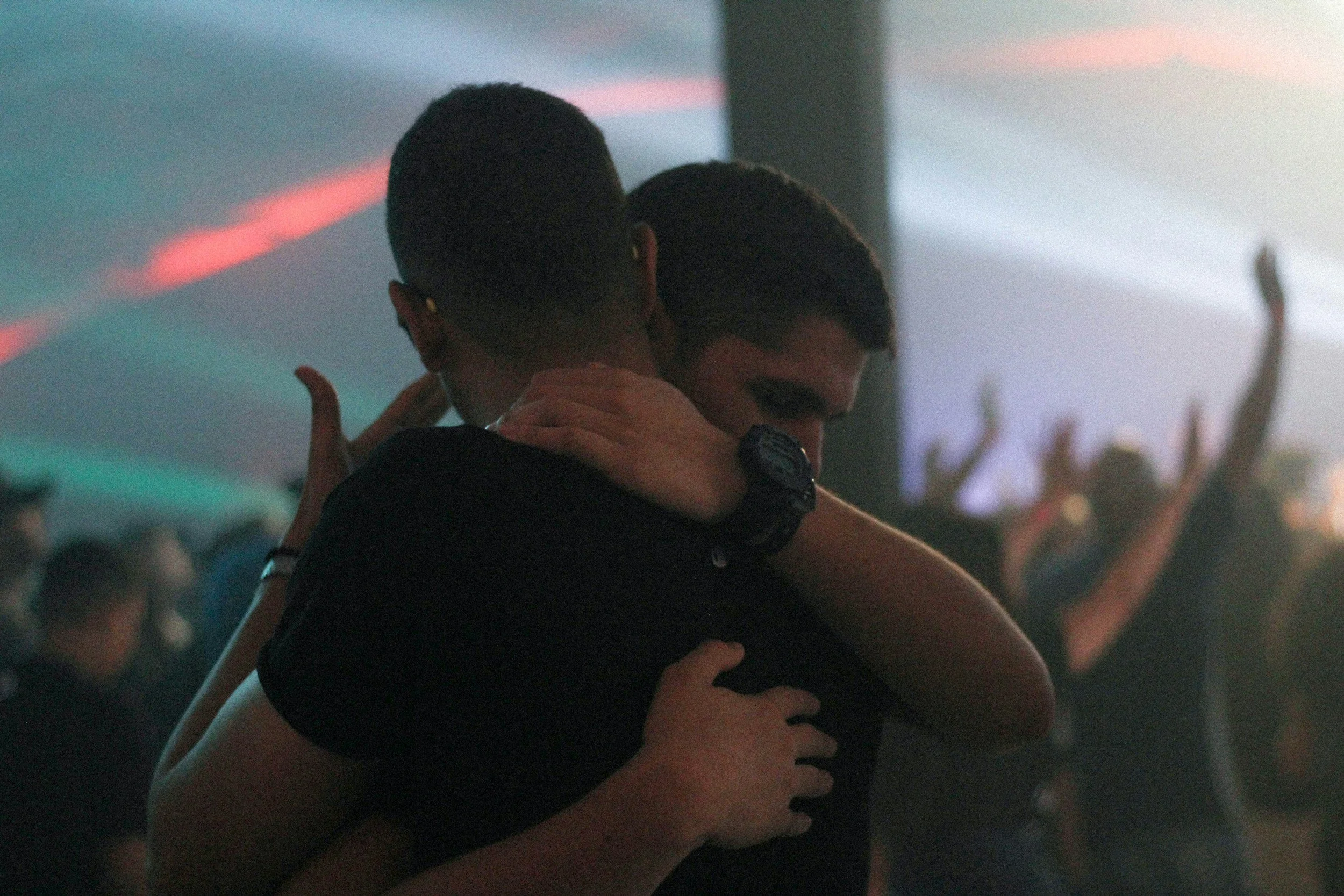
For many gay men, relationships hold several jobs at once:
Source of love and connection
Replacement for family support that never showed up
Proof of worth in a world that still centers straight relationships
Safety net during political or social threats
That mix adds pressure. Nervous systems respond with:
Hypervigilance about rejection
Strong fear around conflict
Intense reactions to small shifts in tone or contact
Deep grief when friendships or relationships change
Personal history shapes this load. Growing up closeted or half-out, living through bullying or violence, facing religious or cultural rejection, or having relationships end suddenly all teach a body to stay on guard.
None of this points to weakness. These stories show how hard your system has worked to keep you safe.
Read more: Why Anxiety Feels Different For Gay Men: Understanding Unique Triggers
Friendship anxiety in queer community
Friendship often feels as important as romance. Friends become chosen family. That level of importance raises the stakes.
Friendship anxiety might sound like:
“Everyone secretly dislikes me.”
“If I say how I feel, they’ll leave.”
“If I skip one event, I’ll lose my place.”
“Group chats stress me out, but silence feels worse.”
Common patterns include:
Saying yes to every invite to avoid missing out
Feeling crushed by small shifts in attention
Worrying about being the “clingy friend”
Drifting away instead of naming concerns
Nervous system history enters here. Repeated experiences of exclusion train a body to scan for small signs of distance. Sometimes that scan catches real problems. Other times, it fires false alarms.
Support often focuses on:
Naming what safe friendship feels like for you
Practicing boundaries that don’t equal abandonment
Holding space for grief around friendships that didn’t work out
Read more: Unmasking Friendship Anxiety: Understanding Its Roots And Impact
Dating, ghosting, and modern gay anxiety
Dating apps, social media, and hookup culture bring both connection and overwhelm. Many gay men describe patterns like:
Intense connection followed by sudden silence
Long stretches of chatting with no plan to meet
Feeling like everyone else has better experiences
Pressure to perform confidence, ease, or constant flirt
High functioning anxiety adds extra layers. Overthinking shows up before, during, and after dates.
Thoughts might sound like:
“What did that message mean.”
“Did I share too much.”
“No reply means game over.”
“Once they see the real me, they’ll leave.”
Ghosting and flakiness hit hard in this context. New losses tap old wounds and seem to confirm anxious predictions about being unwanted or “too much.”
Therapy often helps with:
Slowing down fear stories around silence or conflict
Checking for body cues, not only thoughts
Building tolerance for uncertainty in early dating stages
Read more: Ghosting, Flakiness, And Dating Anxiety: How To Cope With Modern Gay Dating
Public affection and safety
Public affection brings joy and risk at the same time. Some days, holding a partner’s hand feels affirming. Other days, fear takes over:
“Who’s watching right now.”
“Will someone say something.”
“Does this street feel safe.”
These responses tie back to past and present threats. A nervous system that remembers harassment or danger responds quickly to any hint of risk.
That response deserves respect. No one owes public affection in every space. For some couples, safety comes first. For others, a mix of private affection and chosen public moments feels best.
Questions that help:
Where does affection feel safe or unsafe
Which times of day feel better for visibility
How much nervous system capacity exists this week
Read more: The Fear Of Public Affection: Overcoming Anxiety About Being Openly Gay
Community, cliques, and belonging
Queer spaces save lives and still come with their own social rules. Many gay men share stories like:
Feeling too old, too young, too femme, too masc, too introverted
Sensing unspoken hierarchies around looks, money, status, or body type
Feeling invisible in bars, parties, or events
Wondering whether everyone else got a rulebook you never saw
These experiences often tap deep shame. Nervous systems respond with:
Withdrawing from community
Overperforming to fit in
Constant comparison around body, success, or social circle size
Healthy community exists, often in smaller groups, online spaces, or interest-based gatherings. Therapy work here can include:
Sorting out which spaces drain energy
Naming longing for community out loud
Finding or building spaces with lower pressure and higher respect
Read more: Building Healthy Relationships Within The LGBTQ Community
Nervous system lens on gay relationships and community
A nervous system view pulls shame out of the story. Reactions in friendship, dating, and community reflect survival learning.
Examples:
Hypervigilance in relationships reflects early rejection or chaos.
Fear of conflict reflects past punishment for honest feelings.
Over-giving reflects a belief that only usefulness secures love.
Numbness reflects a system that hit overload and shut down.
Polyvagal language gives a simple map:
Ground floor states support honest communication and connection.
Upstairs states support protection and action.
Basement states support withdrawal and energy conservation.
The goal is not to erase any state. Work focuses on respecting each response, while building more time on the “ground floor” in relationships that earn trust.
How therapy supports gay men in relationships and community
Therapy offers a steady space to unpack all of this without performance. You don’t have to stay funny, charming, or “low maintenance.” Honest fear, hurt, and longing all belong.
Focus areas often include:
Mapping relationship patterns across friendships, dating, and family
Noticing nervous system cues in conflict and closeness
Practicing boundaries that keep dignity intact
Exploring grief around community and relationships that never matched hopes
Building a sense of worth that doesn’t rest only on relationship status or social circle size
Queer-affirming therapy respects identity, body autonomy, and complex history. That respect forms the floor for experimentation and change.
Read more: What LGBTQ-Affirming Therapy Really Means
Getting support around gay relationships and community
Gay relationships and queer community hold huge potential for care and joy. They also stir up anxiety, shame, and old wounds for many men. None of that means failure. Nervous systems respond to past and present context.
With support, relationship patterns shift over time. Boundaries grow clearer. Friendships feel less fragile. Dating feels a bit more honest and less like a constant test.
I work with gay and queer men who want steadier relationships, kinder community experiences, and less anxiety in love and friendship. Sessions happen online across Idaho, Colorado, Utah, Connecticut, Florida, Delaware, or South Carolina.
If this resonates, visit my LGBTQ+ therapy page to see how I work, then send a short note through my contact page with a few words about what you hope will change.
About the Author
Taylor Garff, M.Coun, LCPC, CMHC, LPC, is a licensed therapist with over 10 years of experience helping adults manage anxiety, overwhelm, and identity challenges. He is certified in HeartMath, Safe and Sound Protocol (SSP), and breathwork facilitation. Taylor is the founder of Inner Heart Therapy, where he provides online therapy across multiple states.
FAQ
Why do friendship, dating, and queer community feel so high-stakes for many gay men?
For a lot of gay men, connection carries extra weight. Friends and partners often become chosen family, emotional safety, and proof of belonging, all at once. When connection does “all the jobs,” your nervous system treats small shifts (a delayed reply, a weird tone, a missed invite) like a bigger threat.
A nervous system lens helps reframe this: the intensity usually points to learned protection, not personal weakness.
How do I tell the difference between “normal nerves” and friendship anxiety?
Friendship anxiety usually shows up as ongoing scanning and overcorrecting, not one awkward moment.
Common signs:
Saying yes to plans you dread because skipping feels risky
Re-reading group chat tone and assuming people are mad
Feeling replaced fast when attention shifts
Pulling away instead of naming hurt, because conflict feels like abandonment
Helpful next steps:
Pick one relationship where you feel safest and practice small honesty there first.
Try “one boundary, one repair” per month (example: decline one invite, then send one warm check-in later).
Track body cues (tight chest, buzzing, collapse) before you send the double-text or disappear.
Why does ghosting hit so hard, and what helps you stop spiraling?
Ghosting creates ambiguity, and ambiguity often lights up threat circuits. Your brain tries to solve the uncertainty by replaying every message, reading between lines, and predicting rejection.
Ways to interrupt the spiral:
Set a simple rule: one follow-up, then stop chasing data from silence.
Ground in the body before interpreting meaning (feet on floor, slower breath, widen your gaze).
Use a values filter: “What choice protects my dignity today?” Then act from that.
What if public affection feels unsafe, even with someone you trust?
Feeling unsafe in public isn’t “overreacting.” Safety decisions come from real context: past harassment, current political climate, location, time of day, and nervous system capacity.
Practical options:
Talk with your partner ahead of time about a shared plan (where affection feels okay, where safety comes first).
Choose “yes spaces” on purpose (venues, neighborhoods, events where your body softens).
Use visibility in doses, not as a test you must pass.
What does therapy focus on when the goal is healthier relationships and community?
Queer-affirming therapy often centers patterns, not performance. Work usually looks like:
Mapping your relationship cycle (pursue, people-please, shut down, disappear, over-explain)
Noticing which nervous system state shows up during conflict and closeness
Practicing boundaries that keep self-respect intact
Building co-regulation skills (asking for steadiness, choosing safer people, pacing vulnerability)
Untangling shame from identity, so dating and friendship stop feeling like constant evaluation
