Mindful Techniques for Anxiety Relief: How to Stay Present and Calm
Anxiety pulls you into a spiral of worry about the future or regret about the past, making it hard to feel present in your own life.
💭 Do racing thoughts keep you from focusing?
😰 Do you feel trapped in overthinking and stress?
🌪 Does anxiety make even small tasks feel overwhelming?
If so, mindfulness might be the tool you need. Mindfulness is the practice of bringing your awareness to the present moment—without judgment. By learning to anchor yourself in the now, you can break free from anxious thought loops and regain a sense of calm.
Let’s explore why mindfulness works for anxiety and how to use it effectively.
Why Mindfulness Helps with Anxiety
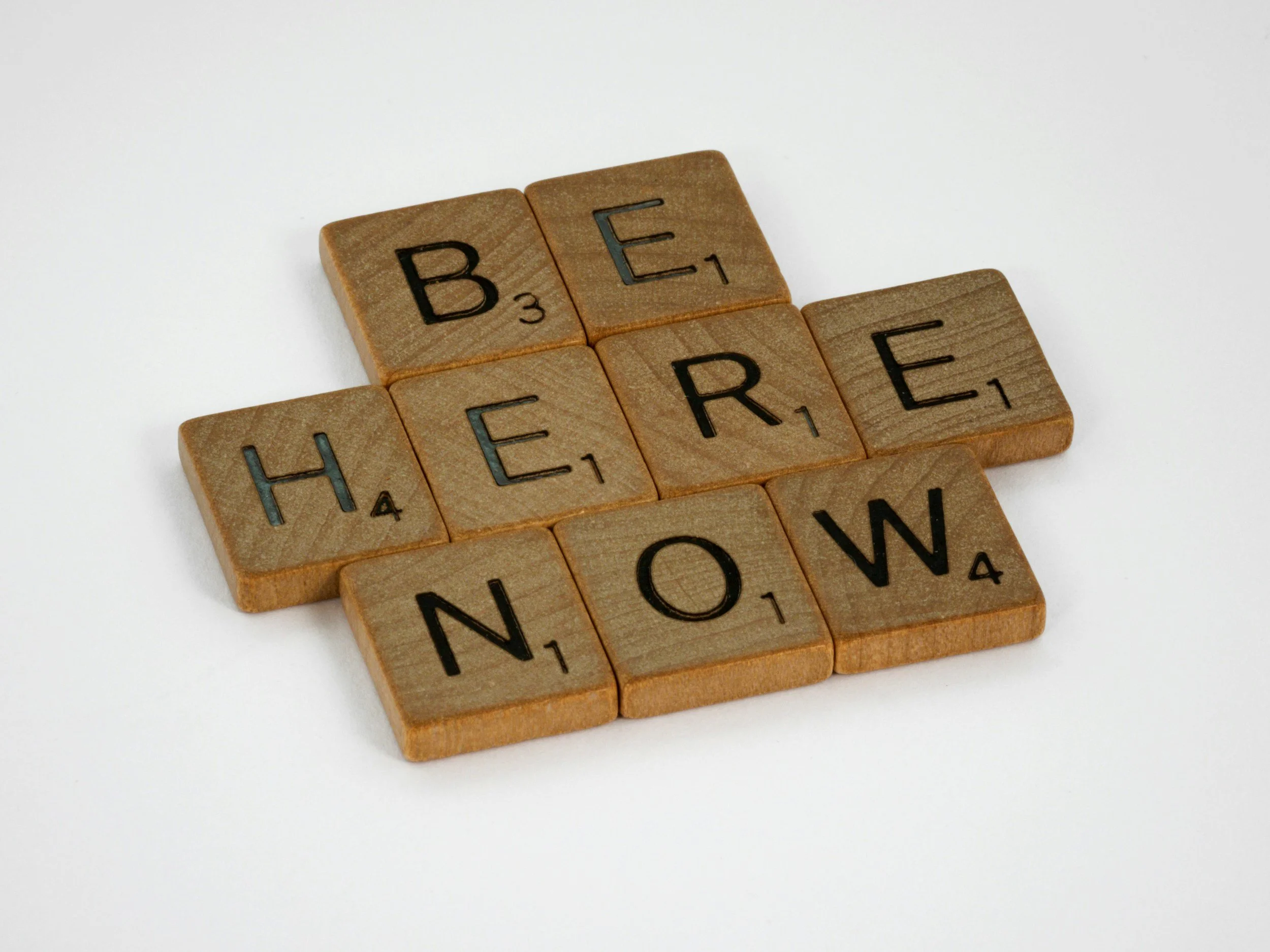
🧠 Anxiety Pulls You into the Future—Mindfulness Grounds You in the Present
Anxiety thrives on "what if" thinking—worrying about what might happen, worst-case scenarios, or things outside of your control.
Mindfulness shifts your focus away from uncertain futures and into what is real right now.
💨 Mindfulness Calms the Nervous System
When you feel anxious, your body goes into fight-or-flight mode—heart racing, shallow breathing, tense muscles. Mindfulness techniques signal safety to your brain, allowing your nervous system to regulate.
The result? Lower stress hormones, slower heart rate, and a clearer mind.
⚡ It Helps You Respond Instead of React
Anxiety makes it easy to overreact or shut down. Mindfulness creates space between the trigger and your response, helping you navigate stress with more control and less panic.
Simple Mindful Techniques for Anxiety Relief
You don’t need hours of meditation to feel the benefits of mindfulness. These techniques take just a few moments but can make a big difference.
1️⃣ Ground Yourself with the 5-4-3-2-1 Technique
When anxiety makes you feel disconnected or overwhelmed, grounding exercises bring you back into the present moment.
🔹 5 things you see (a book, a plant, the sky)
🔹 4 things you feel (your feet on the floor, your breath, fabric on your skin)
🔹 3 things you hear (birds, music, distant traffic)
🔹 2 things you smell (coffee, fresh air)
🔹 1 thing you taste (gum, tea, your breath)
This technique interrupts anxious thoughts and shifts your focus to your senses.
2️⃣ Try Mindful Breathing (Your Body’s Natural Calm Button)
Anxiety makes your breath shallow and fast, which signals more stress to your brain. Mindful breathing does the opposite—it activates the relaxation response.
Try box breathing:
🟦 Inhale for 4 seconds
🟦 Hold for 4 seconds
🟦 Exhale for 6–8 seconds
🟦 Repeat for a few minutes
Why it works: Slow, intentional breathing tells your nervous system that you are safe, helping anxiety fade.
3️⃣ The "Name It to Tame It" Strategy
Instead of fighting anxiety, acknowledge it without judgment.
Step 1: Notice the anxiety (“I feel anxious right now.”)
Step 2: Name it as an experience, not a personal flaw (“Anxiety is visiting me—it doesn’t define me.”)
Step 3: Let it pass like a wave (“This feeling is temporary.”)
Why it works: Naming your emotions reduces their intensity, making them easier to manage.
4️⃣ Use “Single-Tasking” to Quiet a Busy Mind
Anxiety often comes from mental overload—too many thoughts, too many worries. Mindfulness helps by focusing on one thing at a time.
Try this:
🔹 Drink a cup of tea slowly, noticing the warmth and taste.
🔹 Fold laundry, paying attention to textures and movement.
🔹 Take a mindful walk, noticing each step and breath.
Even everyday tasks can be anxiety-soothing when done mindfully.
5️⃣ Body Scan Meditation for Instant Relaxation
If anxiety makes your body tense and restless, a body scan can help.
🔹 Close your eyes and take a deep breath.
🔹 Slowly bring attention to each part of your body, from head to toe.
🔹 Notice tension without judgment—then consciously relax that area.
Why it works: Anxiety often gets stored in the body—this technique helps release it.
6️⃣ Use Mindfulness Statements to Reframe Anxiety
Anxiety fuels negative, catastrophic thinking. Mindful affirmations help reset your mindset in the moment.
❌ “This is unbearable.”
✅ “This is uncomfortable, but I can handle it.”
❌ “I can’t stop worrying.”
✅ “I notice my worries, but I don’t have to believe them.”
Why it works: Shifting self-talk changes how your brain processes anxiety.
How to Make Mindfulness a Daily Habit
Like any skill, mindfulness becomes more effective with practice. You don’t need to dedicate hours—just small mindful moments throughout the day.
💡 Morning: Start the day with 3 deep breaths before checking your phone.
💡 Midday: Take a short mindful walk, focusing on your steps.
💡 Evening: Practice gratitude—list 3 things that went well today.
Over time, these small actions rewire your brain for calm and presence.
Mindfulness Is a Practice, Not Perfection
You don’t have to be completely calm to practice mindfulness. The goal isn’t to eliminate anxiety but to change how you respond to it.
By incorporating small mindful techniques into your day, you can:
✨ Quiet racing thoughts
✨ Find peace in the present moment
✨ Regain control over anxiety
If anxiety is making daily life feel overwhelming, therapy can help you integrate mindfulness and other tools for long-term relief.
About the Author
Taylor Garff, M.Coun, LCPC, CMHC, LPC, is a licensed therapist with over 10 years of experience helping adults manage anxiety, overwhelm, and identity challenges. He is certified in HeartMath, Safe and Sound Protocol (SSP), and breathwork facilitation. Taylor is the founder of Inner Heart Therapy, where he provides online therapy across multiple states.
