Is Streaming Making My Anxiety Worse, Or Was It Always There
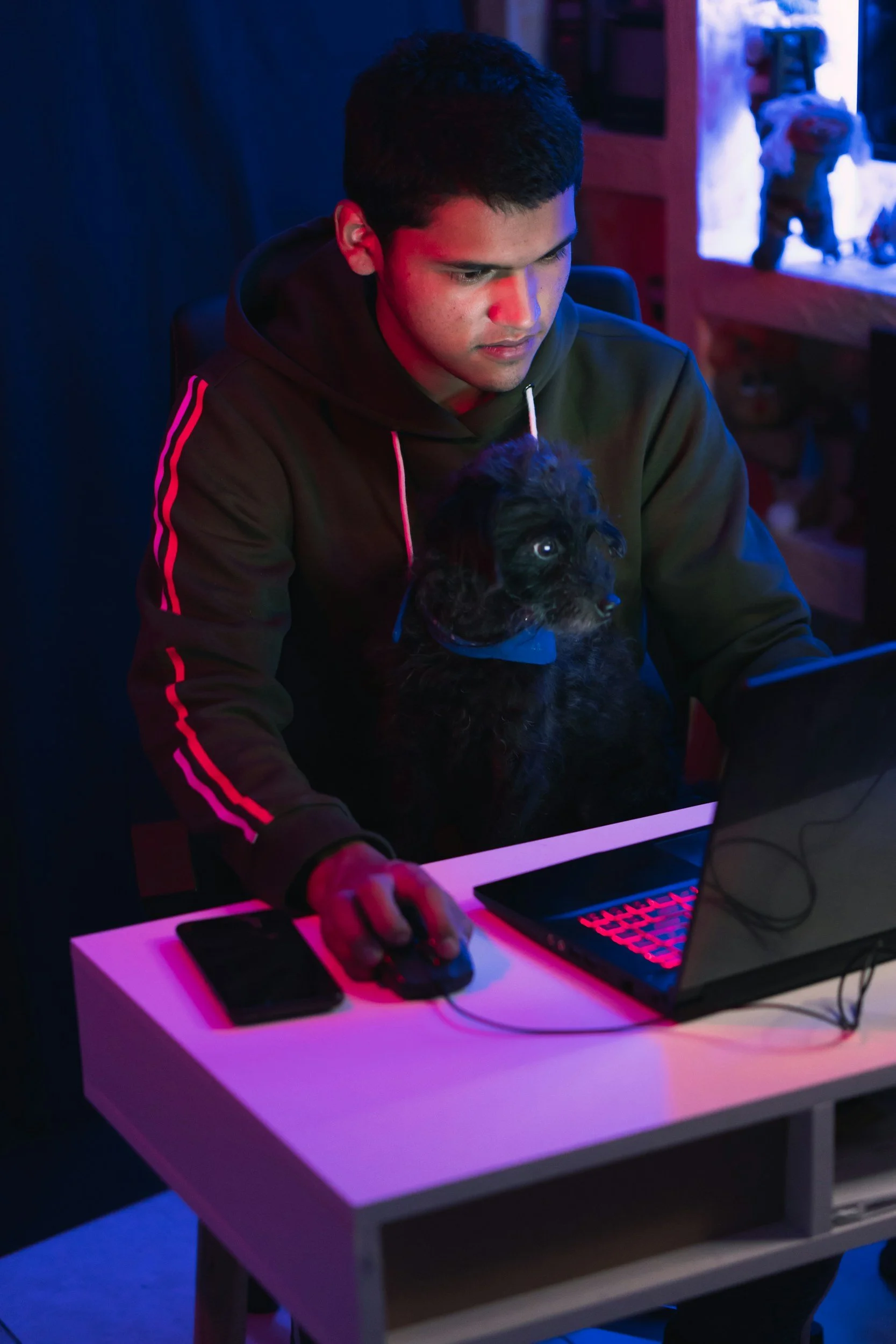
Many streamers wonder if their anxiety started with streaming or if streaming only made it louder. In most cases, the answer sits somewhere in the middle. Streaming pushes on sensitive parts of your nervous system, and that pressure can reveal patterns that were already there.
Here is how to tell the difference.
Signs your anxiety existed before streaming
Look at your life outside content creation.
If you often:
Overthink conversations
Worry about disappointing people
Freeze when attention shifts to you
Replay awkward moments
Feel tense in social settings
These patterns suggest your anxiety did not start with streaming. Streaming simply amplified it.
Signs streaming is intensifying your anxiety
Some reactions develop after you start going live.
You might notice:
Constant checking of metrics
Panic when viewer numbers dip
Trouble relaxing on days you do not stream
Feeling responsible for everyone’s mood
Exhaustion after even short streams
These signs point toward performance stress and nervous-system overload rather than lifelong anxiety.
Why streaming makes everything feel bigger
Streaming blends social pressure with public performance. Your nervous system pays attention to tone, timing, and expression. When chat shifts, numbers drop, or someone comments on your appearance, your system reacts fast.
Your body does not know the difference between social tension and actual threat. It responds with the same intensity either way.
How to understand what your anxiety is telling you
Streaming stirs up a lot of feelings, but the pattern matters. These three questions help you figure out whether your anxiety comes from long-standing tendencies or from the pressure of going live. Each question highlights how your nervous system behaves in different situations, which gives you a clearer picture of what you actually need.
How do I feel before going live
Pay attention to the timing of your anxiety. If you feel tense or uneasy hours before your scheduled stream, that often points to a broader anxiety pattern. Your system is reacting to anticipation, expectations, and the idea of being seen.
If your body feels steady until the moment you open OBS or adjust your camera, that points toward performance-based stress. The anxiety is tied to the act of being on display rather than your whole day. This distinction matters because it helps you target the right kind of support.
How do I feel when I take time off
Streaming can mask symptoms by giving you structure. Watch how your body behaves on your days off. If you still feel restless, tense, or on-edge, even without streaming, your anxiety might be showing up across your life, not only on your channel.
If you feel noticeably calmer once you step away from streaming, then the platform, the pressure, and the social exposure are playing a significant role. Your system is reacting to the environment, not your entire personality.
How fast do I recover after stress
Recovery speed is one of the most useful signals. When something stressful happens on stream, notice how long it takes for your chest to loosen, your thoughts to slow, and your energy to return to normal.
If you bounce back within minutes or hours, you may be dealing with situational anxiety tied to streaming events.
If you stay wired, tense, or drained for the rest of the day, your system needs more support. Slow recovery suggests your body is carrying stress longer than it should, which means it’s working harder than you realize.
What helps both types of anxiety
A few simple habits help your body feel safer:
Slow your breathing during transitions
Avoid checking metrics during emotional moments
Give yourself a clear end-of-stream ritual
Schedule real rest between high-pressure sessions
These small actions reduce tension no matter where the anxiety started.
If you want more clarity
If you want support that goes deeper and you live in Idaho, Colorado, Utah, Connecticut, Florida, Delaware, or South Carolina, I offer online anxiety therapy. Together we untangle old patterns, performance stress, and burnout.
About the Author
Taylor Garff, M.Coun, LCPC, CMHC, LPC, is a licensed therapist with over 10 years of experience helping adults manage anxiety, overwhelm, and identity challenges. He is certified in HeartMath, Safe and Sound Protocol (SSP), and breathwork facilitation. Taylor is the founder of Inner Heart Therapy, where he provides online therapy across multiple states.
