Tips to Naturally Reduce Anxiety
Anxiety affects how you think, how your body responds to stress, and how you move through daily life. The experience looks different for everyone: racing thoughts for one person, physical tension for another, a persistent sense of dread for someone else.
The good news is you don't need a prescription to start working with your anxiety. Natural strategies, meaning approaches focusing on your body, habits, and environment, offer real relief. These tips help you naturally reduce anxiety by working with your nervous system rather than fighting against your stress response.
Practice Breathwork to Slow Your Stress Response
Anxiety often starts in the body before the mind catches up. Your heart rate increases, breathing gets shallow, and your system shifts into a threat-response mode.
Breathwork interrupts the cycle at the physical level. When you slow your exhale, your vagus nerve sends a safety signal to your brain, shifting your nervous system toward a calmer state.
Try this:
Inhale through your nose for 4 counts
Hold gently for 4 counts
Exhale slowly through your mouth for 6-8 counts
Repeat for 2-3 minutes
The extended exhale is the part doing the work. Practice this during calm moments so the technique becomes automatic when anxiety arrives. Even 60 seconds of focused breathing shifts your nervous system's trajectory.
Use Grounding to Return to the Present
Anxiety pulls your attention toward future threats or past regrets. Grounding techniques bring your focus back to the present moment by engaging your senses.
A simple grounding exercise:
Name 5 things you see
Name 4 things you feel (textures, temperature, pressure)
Name 3 things you hear
Name 2 things you smell
Name 1 thing you taste
This works because anxiety has trouble maintaining a grip when your attention is anchored in sensory experience. You don't need to do the full exercise every time. Even noticing your feet on the floor or the temperature of the air on your skin redirects your system.
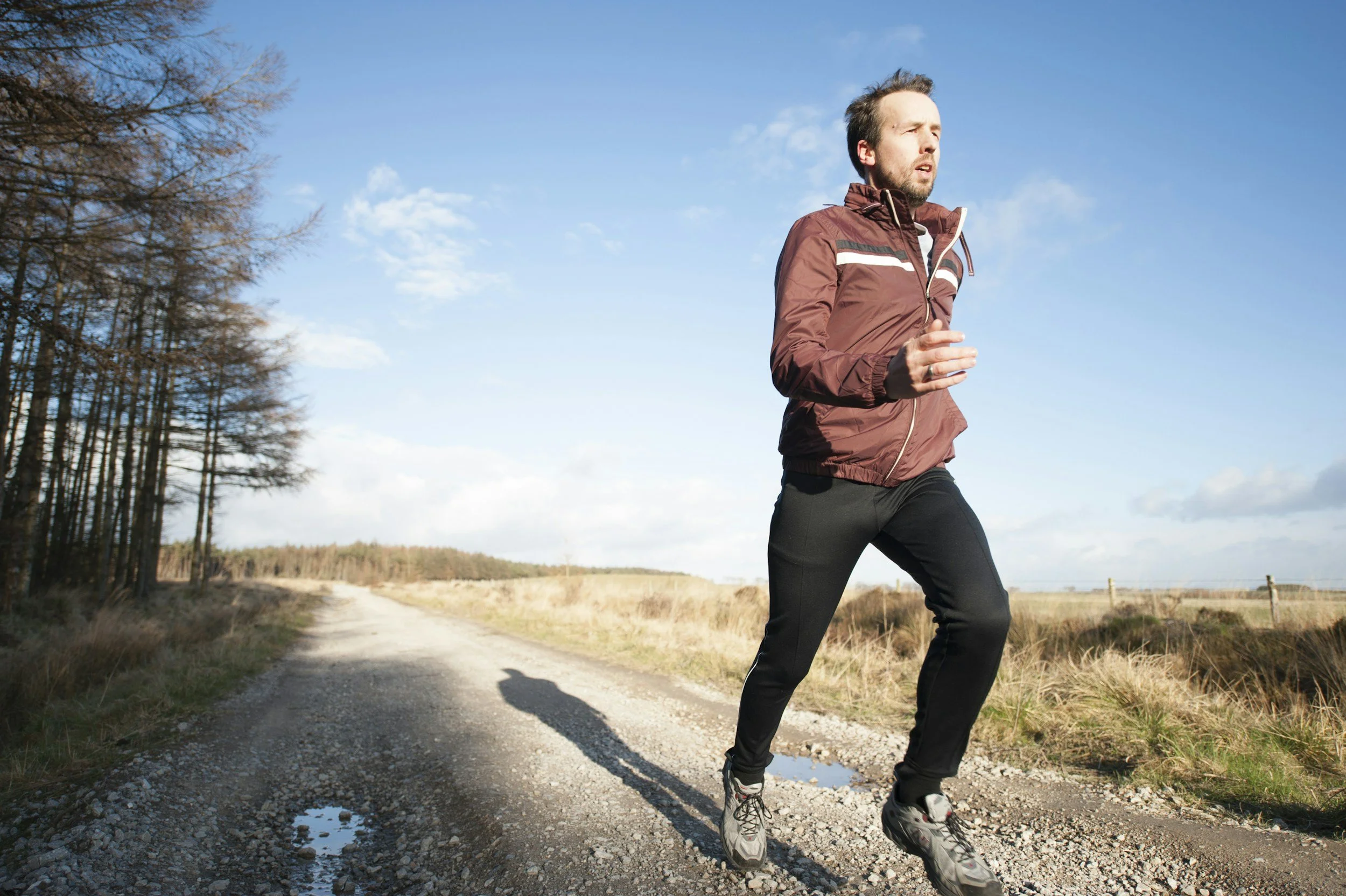
Move Your Body with Intention
Physical activity helps your nervous system process stress hormones and return to a more regulated state. You don't need intense workouts or gym memberships for the benefits to show up.
What helps most:
Walking, especially outdoors where your visual system engages with depth and distance
Yoga or stretching to release tension stored in your muscles
Dancing, swimming, or any movement feeling enjoyable rather than obligatory
Short 10-15 minute sessions offering consistent benefit
The key: find something you enjoy enough to repeat. Forced exercise adds stress. Movement your body looks forward to reduces the activation over time.
Prioritize Sleep as a Nervous System Reset
Sleep is when your nervous system processes the day's stress and repairs. When sleep quality drops, anxiety sensitivity goes up. The relationship works both ways, so improving one side helps the other.
Practical steps for better sleep:
Keep a consistent wake time, even on weekends (your circadian rhythm responds to consistency)
Dim lights and reduce screen exposure 30-60 minutes before bed
Cool your bedroom; lower temperatures support melatonin production
If your mind races at bedtime, try a body scan starting at your feet and working upward, noticing sensation in each area without trying to change anything
Sleep hygiene isn't about perfection. Small, consistent changes have a cumulative effect on how your nervous system functions during the day.
Reduce Stimulant Intake
Caffeine and nicotine both increase nervous system activation. If you're working to naturally reduce anxiety, examining your stimulant intake is worth the effort.
This doesn't mean quitting coffee entirely. Consider:
Shifting caffeine consumption to before noon
Reducing total intake by one serving and observing the difference over a week
Noticing whether anxiety spikes correlate with caffeine timing
Small adjustments often reveal how much stimulants contribute to your baseline activation level.
Build Connection and Co-Regulation
Your nervous system responds to other people's nervous systems. Spending time with calm, safe people sends your body signals to settle. This process, called co-regulation, is one of the most effective natural anxiety reducers available.
Ways to build more co-regulation into your week:
Spend unhurried time with someone whose presence helps you relax
Sit with a pet and match their breathing pace
Call a trusted friend when anxiety is elevated, even for a short conversation
Choose social environments feeling warm rather than performative
Human connection isn't a luxury when you're managing anxiety. Connection is a biological need your nervous system relies on for regulation.
Know When to Add Professional Support
Natural strategies are effective and they have limits. If anxiety disrupts your sleep, relationships, work, or daily functioning despite consistent effort with these tools, professional support adds structure and depth to the process.
A therapist helps you:
Identify the root patterns driving your anxiety, not only the surface symptoms
Build a personalized toolkit fitting your nervous system's specific needs
Work with approaches like CBT, breathwork, or the Safe and Sound Protocol to support lasting change
If you want a starting point before or alongside therapy, the Welcome Home mini-course walks through nervous system basics at your own pace for $9. The free Nervous System Reset guide is also available if you want something to work with today.
Inner Heart Therapy offers online anxiety therapy across Idaho, Utah, Colorado, Connecticut, Delaware, South Carolina, and Florida.
FAQ
What are the best natural ways to reduce anxiety?
Breathwork, grounding techniques, regular movement, quality sleep, reduced stimulant intake, and co-regulation with safe people all help reduce anxiety naturally. The most effective approach combines several of these strategies consistently rather than relying on one tool alone.
Does breathwork help with anxiety?
Yes. Extending your exhale activates the vagus nerve, which signals your nervous system to shift from a threat response toward a calmer state. Regular practice builds the habit so your body responds more quickly when anxiety shows up.
How does exercise reduce anxiety naturally?
Movement helps your body process stress hormones like cortisol and adrenaline. Physical activity also engages your attention in the present moment, reducing the mental loop of anxious thoughts. Even short, consistent sessions offer meaningful benefit.
Why does anxiety get worse with poor sleep?
Sleep is when your nervous system processes stress and repairs. When sleep quality drops, your system starts the next day with less capacity to handle activation. Over time, the cycle compounds, making anxiety sensitivity higher.
When should I see a therapist for anxiety instead of managing on my own?
If anxiety disrupts your sleep, relationships, work performance, or daily functioning despite consistent effort with natural strategies, professional support adds the structure and depth needed for deeper change. Therapy isn't a last resort; pairing therapy with natural tools often produces the strongest results.
Does caffeine make anxiety worse?
For many people, yes. Caffeine increases nervous system activation, which amplifies the physical symptoms of anxiety like racing heart, shallow breathing, and restlessness. Reducing intake or shifting consumption to earlier in the day often produces a noticeable difference.
About the Author
Taylor Garff, M.Coun, LCPC, CMHC, LPC, CCATP is a licensed therapist with over 10 years of experience helping adults manage anxiety, overwhelm, and identity challenges. He is certified in HeartMath, Safe and Sound Protocol (SSP), and breathwork facilitation. Taylor is the founder of Inner Heart Therapy, where he provides online therapy across multiple states.
Last updated April 1, 2026
