Streaming With Anxiety: A Complete Guide To Staying Grounded, Growing Your Channel, And Protecting Your Mental Health
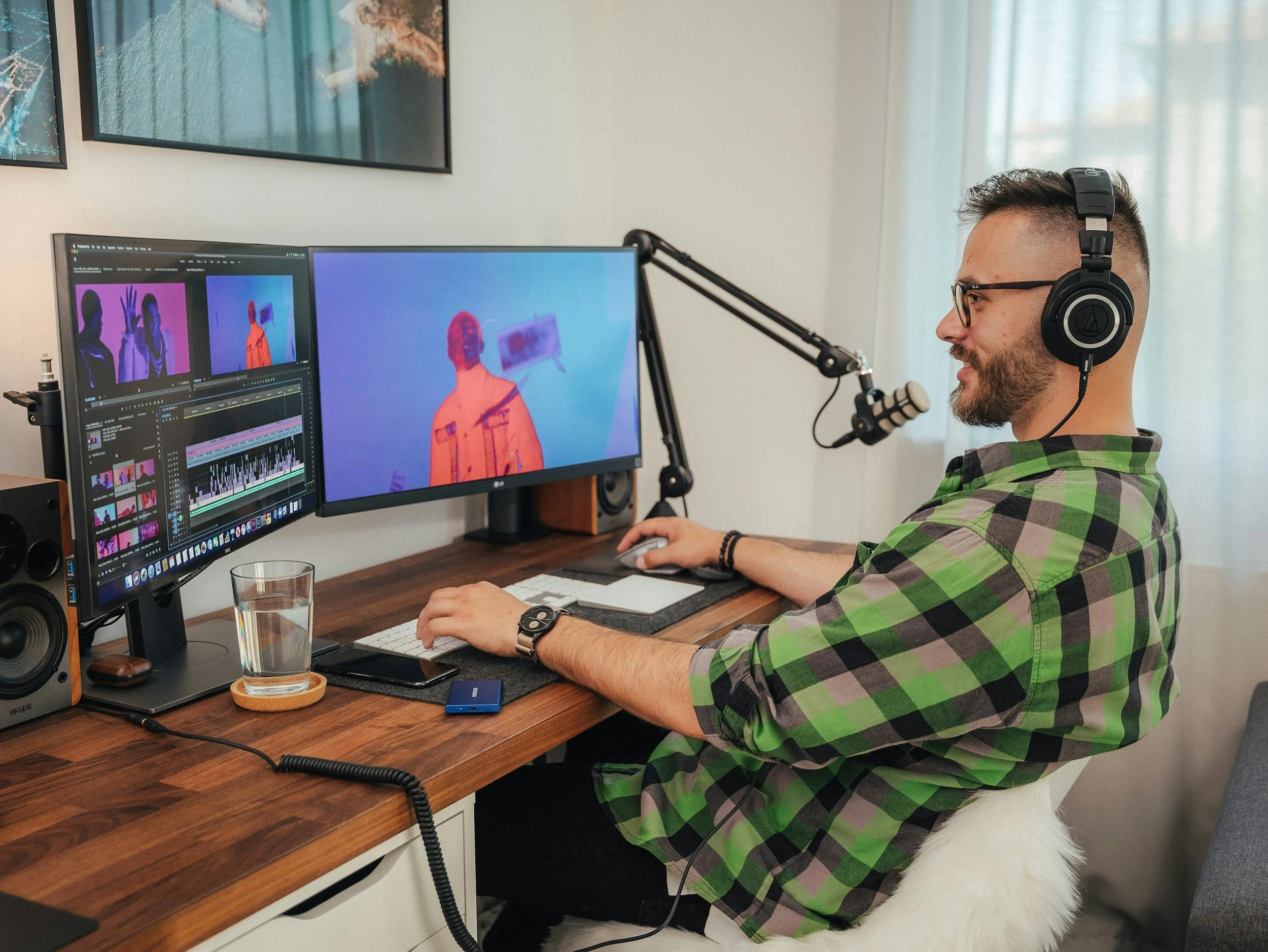
Streaming is exciting, creative, and social. It is also unpredictable, exposed, and high pressure. Your nervous system reacts to that mix faster than you expect. Your heart jumps. Your thoughts race. You worry about how you sound, how you look, how chat reacts, and whether you are losing momentum.
You are not weak. You are not dramatic. Your nervous system is doing its best to keep you safe while you perform in front of strangers for hours.
This guide brings together everything you need to understand how streaming affects anxiety and how you can support yourself in sustainable ways.
Below, you will find five detailed sections that cover the most common challenges streamers face. Each section includes simple tools you can use right away, along with links to deeper articles in this cluster.
Why Streaming Hits Anxiety So Hard
Streaming mixes social interaction with performance. You never know who will show up or how people will behave. Your brain reacts to uncertainty with a survival response. That means tension, faster breathing, tight focus, and emotional swings.
Common signs include:
Worry before going live
Fast thoughts during the stream
Fear of dips in viewer count
Struggling to recover afterward
Feeling wired instead of relaxed
Streaming pressure lands in your body, not only your mind. When you understand that, everything starts to make more sense.
Read more: Is Streaming Making My Anxiety Worse, Or Was It Always There
Panic, Drama, And Trolls While Live
Trolls, conflict, and intense messages hit your system in a flash. Your body reacts before your thoughts catch up. Your heart pounds. Your breath tightens. You feel scattered or frozen. You try to stay calm to avoid derailing the stream. Your nervous system thinks something important is at risk.
You can recover in small steps:
Take one slow breath with a longer exhale
Loosen your gaze so you see more of the room
Use short pause phrases
Let your mods handle the mess
Reset your body after ending stream
Read more: Chat Drama, Trolls, And Panic: A Nervous System Survival Guide For Live Streams
Taking Breaks Without Shame Or Fear
Most streamers know they need breaks. Few feel safe taking them. You fear losing momentum or disappointing your community. Anxiety fills in the gaps with the worst outcomes.
But breaks are not failure. Breaks prevent burnout.
Your system needs rest when you notice:
Dread before streams
Emotional crashes afterward
Irritability
Loss of enjoyment
Trouble sleeping
Feeling overwhelmed by small tasks
Healthy breaks are short, clear, and intentional. You return with more energy and clarity, not less.
Read more: How To Take A Break From Streaming Without Feeling Like A Failure
Parasocial Guilt And Emotional Overload
When people share personal struggles with you, your body reacts as if you are responsible for their wellbeing. This creates a heavy emotional load that builds over time. You feel pressure to comfort everyone. You fear letting people down. You start absorbing emotions that are not yours.
This has nothing to do with weakness. It is a sign your system is carrying too much.
You can stay connected without being overwhelmed:
Use short, supportive responses
Redirect viewers to offline support
Limit emotional labor in your DMs
Reset your body after heavy conversations
Read more: Parasocial Guilt: When You Feel Responsible For Your Viewers’ Feelings
Boundaries That Protect Your Energy
Streaming without boundaries guarantees burnout. Your nervous system is not built for endless access, emotional labor, or constant performance. Boundaries lower the load so you can enjoy your work again.
Helpful boundaries include:
Controlled DM access
Clear communication limits
Healthy moderation policies
Separation between money and emotional expectations
Protected off-stream time
Read more: Healthy Boundaries For Streamers: DMs, Donations, And Being On All The Time
What Helps Streamers Stay Grounded Long-Term
Sustainable streaming depends on a calmer nervous system, not more productivity. Your body needs predictable support throughout your day, not only when things go wrong.
Small steps matter:
Slow breaths before transitions
Brief pauses during stress
Purposeful recovery after streams
Reduced metric checking
Clear communication with your mods
Consistent rest you take seriously
When your nervous system feels steadier, creativity flows again. You connect with your audience without draining yourself. You keep streaming because it feels good, not because you fear stopping.
If You Want Tools That Actually Work For Anxious Streamers
My course Welcome Home teaches you simple nervous-system skills that help you feel more grounded during daily life and while streaming. You learn how to understand your body’s signals and what supports you when stress hits.
If Streaming Anxiety Is Affecting More Than Your Channel
If anxiety follows you outside of streaming or shapes your sleep, mood, and relationships, therapy can help you untangle the deeper patterns that make online life so overwhelming.
I offer online anxiety therapy for people in Idaho, Colorado, Utah, Connecticut, Florida, Delaware, or South Carolina. You get support built for your nervous system and your real life, not generic advice that ignores the pressure of being visible online.
About the Author
Taylor Garff, M.Coun, LCPC, CMHC, LPC, is a licensed therapist with over 10 years of experience helping adults manage anxiety, overwhelm, and identity challenges. He is certified in HeartMath, Safe and Sound Protocol (SSP), and breathwork facilitation. Taylor is the founder of Inner Heart Therapy, where he provides online therapy across multiple states.
