Online Anxiety Therapy for Adults in the Colorado Springs Area
Welcome
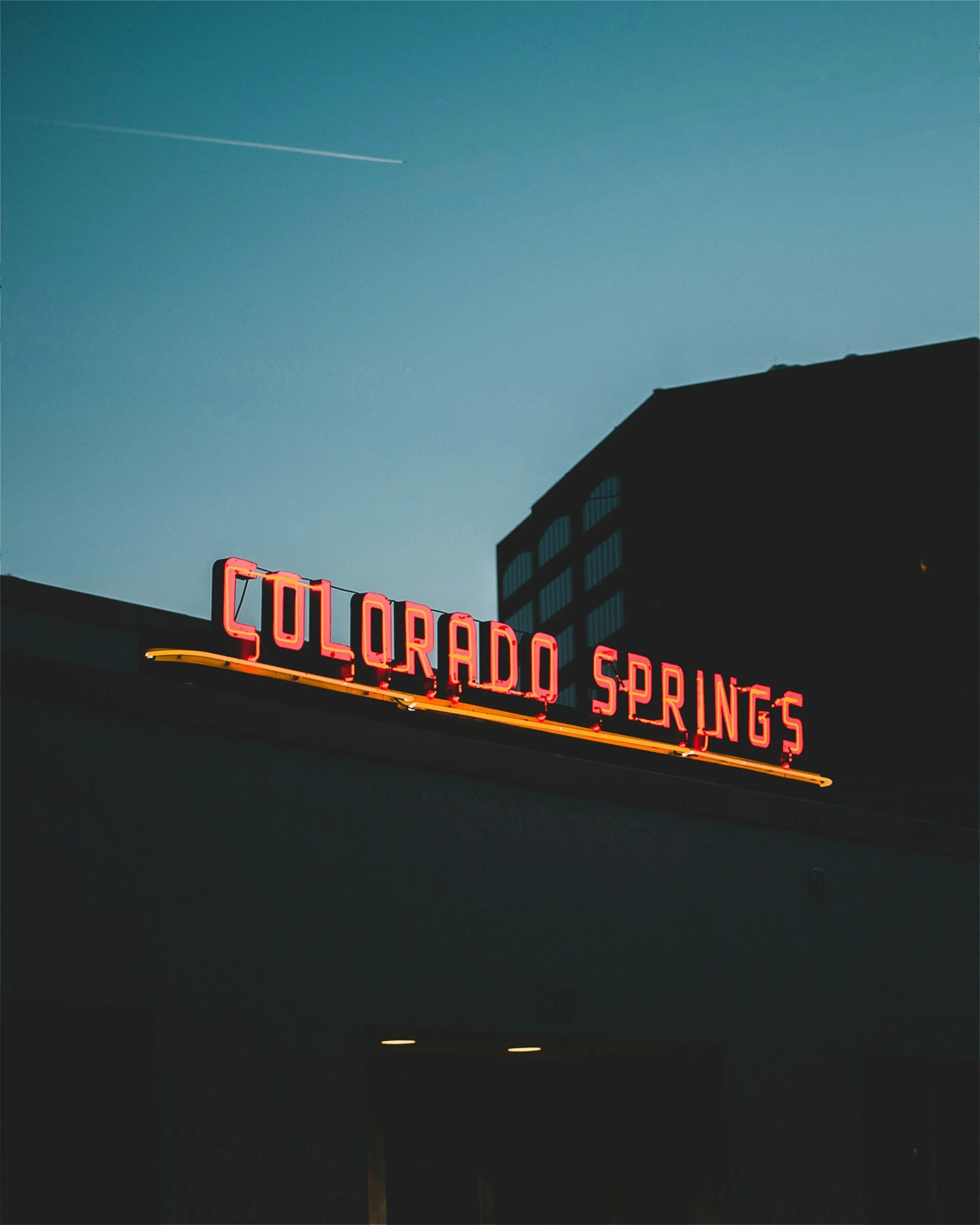
Colorado Springs draws visitors and new residents at a pace few Front Range cities match. Pikes Peak, Garden of the Gods, and the U.S. Olympic and Paralympic Training Center pull a steady stream of tourism dollars, while Pueblo commuters add their own daily drive up I-25 into a metro area outgrowing its housing and infrastructure. Online therapy reaches Colorado Springs, Falcon, Fountain, Monument, Pueblo, and Woodland Park the same way regardless of which side of this growth someone sits on. I carry a Colorado license, LPC #0018672, and work with adults by telehealth statewide, including every corner of the Colorado Springs area.
You will receive a response in two business days.
Telehealth Anxiety Therapy for Colorado Springs Area Adults
Sessions run fifty minutes over secure video, a format built to hold steady whether a workweek runs a fixed schedule or swings with a seasonal tourism calendar. A meta-analysis of randomized trials found telehealth therapy performs on par with in-person care for anxiety, evidence worth knowing when a hospitality schedule changes week to week[1]. Telehealth removes the extra drive time a Pueblo commute adds to an already full day, and a free consultation covers scheduling around a shift calendar or a commute window.
What Brings Colorado Springs Area Adults to Therapy
A pattern repeats with clients working the tourism and hospitality side of Colorado Springs: income and hours swing with the season, packed through summer and around Pikes Peak events, thinner through a slow winter stretch, and the unpredictability wears differently than a steady paycheck ever does. NIMH data puts the year-over-year anxiety disorder rate at 19.1% of U.S. adults, and a seasonal income swing layers its own version of the load on top of the baseline number[2]. The dread building before a slow season arrives follows a recognizable shape, and my post on anticipatory anxiety breaks down why bracing for something before it happens often wears on a person as much as the event itself.
Standard advice like build a routine assumes a fixed schedule and a stable paycheck.
A tourism-driven calendar dismantles a routine right when daily rhythm settles: a slow month resets a budget, a summer surge stretches a workweek past normal hours, and a Pikes Peak event weekend swallows two days of rest at once.
A plan depending on consistency breaks against a job built around seasonal swings, so therapy for hospitality and tourism workers works better around adaptable coping skills than a fixed weekly structure.
El Paso County carries 3 active federal Mental Health Professional Shortage Area designations, per the HRSA data I checked, including a geographic low-income catchment area covering 756,846 people, newly designated in October 2025.
Pueblo County, folded into this same service area, carries 4 separate designations, another sign of thin mental health coverage across this corridor, a gap I see reflected in how far some clients have driven for care before finding telehealth[3].
A Different Way to Work With Anxiety
A hospitality worker managing a summer packed with double shifts near Garden of the Gods, holding a steady, upbeat front with every tour group and hotel guest, then hitting a wall of exhaustion alone once a shift ends, a composite picture, not a specific client, built from patterns across many sessions. The outward routine holds together. The inside experience runs on reserves draining with no clear refill date.
I treat the nervous system as a signal system to understand, not a switch to force into calm. For someone working a seasonal industry, safety does not arrive on a fixed date. Building a felt sense of steadiness inside an unpredictable schedule matters more than chasing a permanent calm a slow season or a surge week might undo.
For anyone whose anxiety spikes into a full panic response during a hard stretch, this post on interrupting a panic spiral and finding a way back to steady walks through the pattern step by step.
Sessions generally start by naming the specific stressor, whether a slow season, a surge week, or a Pueblo commute wearing on a schedule, add nervous system regulation tools from HeartMath and Safe and Sound Protocol™, bring in cognitive work for anticipatory anxiety, and build coping skills flexible enough to travel with a changing schedule.
Cities I Serve in the Colorado Springs Area
Sessions cover Colorado Springs, Falcon, Fountain, Monument, Pueblo, and Woodland Park. Wherever a household is stationed or commuting from, sessions happen over secure video, no drive across the city required.
For coverage across the rest of Colorado, the Colorado locations page lists every regional hub.
Practical Details
Insurance runs through Alma, Tava, and Headway, with in-network plans including: Anthem Blue Cross Blue Shield of Colorado, ClaimDOC, Optum, Oscar, Harvard Pilgrim, Oxford, UHC Student Resources, UMR, All Savers, Health Plans Inc, Surest, UnitedHealthcare, UnitedHealthcare Shared Services, UnitedHealthcare Global, Aetna, Meritain, Nippon, Allied Health Systems, and Cigna.
A free fifteen-minute consultation starts the process, low pressure, time to ask questions and decide together whether the fit feels right.
I offer online therapy in Idaho, Utah, Colorado, Connecticut, Delaware, South Carolina, and Florida.
Schedule a free consultation, low pressure, no obligation.
FAQ
What does online anxiety therapy in the Colorado Springs area look like?
Sessions happen over secure video, built to hold steady whether a workweek runs a fixed schedule or swings with a tourism season. Fifty minutes, one on one, from a home office, an apartment near downtown, or a quiet room during a break between shifts. No need to restart with a new therapist if a schedule or a job changes, so long as you stay within Colorado.
Do you work with people in the tourism and hospitality industry?
Many Colorado Springs-area clients work in tourism, hospitality, or seasonal roles tied to Pikes Peak and the surrounding attractions, and sessions get built around a schedule shifting with the season rather than a fixed weekly slot. A generic routine rarely holds up against a job running busiest exactly when everyone else is on vacation.
Is online therapy effective for anxiety?
Telehealth research points to outcomes similar to in-person therapy for most anxiety concerns. The working relationship between client and therapist tends to matter more than session format. A free consultation offers a low-pressure way to test the fit first.
How soon should someone start therapy for anxiety?
Waiting for a slow season or a quieter stretch to start first delays support during the exact weeks anxiety tends to spike. Starting before or during a busy season often builds skills a person draws on once the pace picks back up.
How does telehealth help with a Pueblo commute?
Video sessions remove the drive between Pueblo and Colorado Springs completely, so a session happens from home, a break room, or a parked car during a lunch stretch. A free fifteen-minute consultation covers scheduling around a commute and a full work day.
Is there a correlation between perfectionism and anxiety, and how does someone balance ambition with well-being?
Perfectionism and anxiety tend to move together, especially in a city built around elite performance like Colorado Springs, home to the U.S. Olympic and Paralympic Training Center, where a culture built on peak performance often rewards constant readiness and leaves little room for rest. Ambition is not inherently the problem; the trouble usually starts when self-worth gets tied entirely to performance, so any pause reads as falling short. Balancing the two often means building recovery into a schedule the same way a training plan builds in rest days, treating recovery as part of performance rather than a reward earned only once everything finishes.

Meet The Therapist
I am Taylor Garff, LCPC, LPC, CMHC, a licensed therapist offering online anxiety therapy for adults throughout Colorado. My work combines evidence-based approaches with nervous-system awareness so therapy feels practical and supportive.
I specialize in helping high-functioning adults who appear calm on the outside but feel overwhelmed on the inside. Therapy gives you a place to slow down and reconnect with your body’s natural rhythm.


Stay Connected, No Therapy Required
Not ready to dive into sessions? You can still get small doses of calm.
I share quick tools, reflections, and real-world ways to ease anxiety, straight to your inbox.
Sources
PubMed, National Library of Medicine. Telehealth Versus In-Person Mental Health Care. https://pubmed.ncbi.nlm.nih.gov/37277113/
National Institute of Mental Health. Any Anxiety Disorder. https://www.nimh.nih.gov/health/statistics/any-anxiety-disorder
Health Resources and Services Administration (HRSA). Mental Health Care Health Professional Shortage Area Find, El Paso and Pueblo Counties, Colorado, data as of 07/21/2026. https://data.hrsa.gov/tools/shortage-area/hpsa-find



Last reviewed by Taylor Garff, LPC, LCPC, CMHC on 10/2025