Phone Call Anxiety: Why Phone Calls Feel So Hard (and What to Do About the Dread)
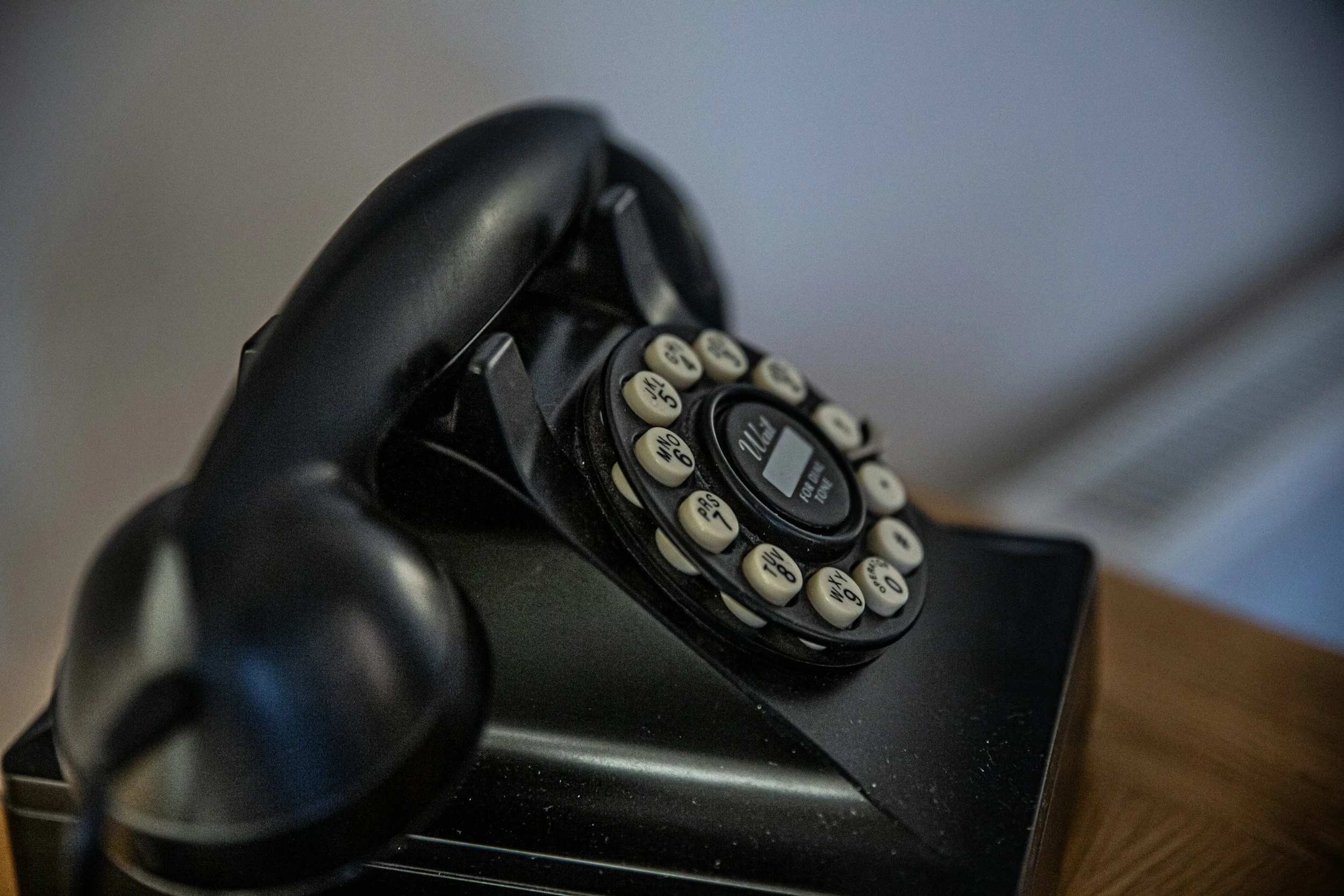
The phone rings. Your stomach drops. You stare at the screen, wait for the voicemail notification, and then spend the next twenty minutes rehearsing what you'll say when you call back. Which you'll do later. Or tomorrow. Or never.
Phone call anxiety is specific, common, and rarely talked about. You're fine in person. Texting doesn't bother you. But the moment a phone call enters the picture, your nervous system treats the situation like a performance with no script.
Here's why phone calls hit differently, what's happening in your nervous system during the dread, and practical steps to make calls less activating.
Why Phone Calls Trigger Anxiety More Than Other Communication
Phone calls remove the tools your nervous system relies on for safety reading:
No visual cues
In person, you read facial expressions, posture, and body language to gauge the other person's reaction. Your nervous system uses those signals to determine safety. On a phone call, those cues disappear. Your brain fills the gap with worst-case interpretations.
Real-time processing pressure
Texting gives you time. You compose the message, reread the message, adjust the tone, and send when you're ready. Phone calls demand immediate responses. The pressure to think, speak, and respond simultaneously overloads a nervous system already running hot.
No editing
You're unable to unsend a spoken sentence. The permanence of real-time speech, combined with the impossibility of rewording after the fact, raises the stakes on every sentence. For people whose anxiety includes a perfectionism pattern, this is the core issue.
Unpredictable timing
An incoming call interrupts whatever you're doing. The sudden shift from "everything is fine" to "someone wants something from me right now" jolts the nervous system. Unlike scheduled meetings or planned conversations, calls arrive without warning.
What Happens in the Nervous System During Phone Call Anxiety
Your autonomic nervous system reads phone calls as a social performance without enough safety cues. Here's the sequence:
The phone rings or you prepare to dial
Neuroception (the body's automatic threat scanner) registers: unpredictable social situation, no visual safety cues, real-time pressure
The sympathetic nervous system activates: heart rate increases, muscles tense, breathing shortens
The activation makes your voice tighter, your thoughts less organized, and your responses more rushed
The experience reinforces the belief that phone calls are threatening
The next call triggers the pattern faster
For some people, the pattern progresses to avoidance: letting every call go to voicemail, sending texts asking "is a call necessary?", or putting off important calls for days or weeks.
The avoidance provides short-term relief but strengthens the anxiety long-term. Each avoided call tells the nervous system the threat was real.
The Social Anxiety Connection
Phone call anxiety often overlaps with social anxiety, but they're not identical. Some people with phone anxiety have no trouble in face-to-face conversations. The trigger is specific to the medium, not to social interaction in general.
The overlap happens when the fear is about being evaluated. If the core worry is "they'll think I sound stupid" or "I'll say the wrong thing," the phone call is a social evaluation without the body language buffer you use to manage the social evaluation in person.
If phone calls are the only communication method causing distress, the intervention is phone-specific. If the anxiety extends across social situations, the treatment approach is broader.
Practical Steps for Making Phone Calls Less Activating
Before the call
Write a brief outline of what you want to say. Three to five bullet points covering the purpose of the call, key questions, and the outcome you want. The outline isn't a script. Reading from a script sounds robotic and increases performance pressure. The outline gives your brain a map so your thoughts have direction when the conversation starts.
Regulate before dialing
Take 60 seconds before the call:
Three slow exhales (inhale for 4, exhale for 6-8)
Unclench your jaw and drop your shoulders
Place your feet flat on the floor
These inputs signal safety to the nervous system. Starting the call from a more regulated state means the activation during the call peaks lower.
Stand up or walk during the call
Movement discharges nervous energy. Standing or pacing gives the fight-or-flight activation somewhere to go instead of sitting in your chest and throat. Many people find their voice sounds more natural and their thoughts flow easier when their body is moving.
Start with lower-stakes calls
If phone calls feel paralyzing, build tolerance gradually:
Call a business for store hours (low risk, short interaction)
Call a friend who feels safe (warm connection, no performance pressure)
Schedule a phone call so the timing is predictable (removes the surprise element)
Progress toward the calls that feel hardest (doctors, employers, unfamiliar contacts)
Each completed call teaches the nervous system that the feared outcome didn't happen.
After the call
Notice what happened versus what you feared. The gap between the imagined catastrophe and the actual outcome is where anxiety loses its grip. If the call went fine (most do), let your nervous system register the evidence.
If the call went poorly, that's also data. One awkward sentence doesn't define your communication ability. A difficult interaction is uncomfortable, not dangerous.
When Phone Call Anxiety Becomes a Bigger Problem
Occasional dread about phone calls is normal. When the pattern starts affecting your life, the intensity has crossed a threshold:
Avoiding medical appointments because booking requires a call
Missing professional opportunities because you won't follow up by phone
Relying on others to make calls for you
Spending hours rehearsing a five-minute conversation
Physical symptoms (nausea, sweating, trembling) before dialing
At this level, the nervous system needs more than coping strategies. Therapy addresses the root activation pattern so the response changes at a foundational level.
If you want a starting point before or alongside therapy, the Welcome Home mini-course walks through nervous system basics at your own pace for $9. The free Nervous System Reset guide is also available if you want something to work with today.
Inner Heart Therapy works with the nervous system patterns driving phone call anxiety and social anxiety. Telehealth sessions are available across Idaho, Utah, Colorado, Connecticut, Delaware, South Carolina, and Florida.
Schedule a free consultation to talk about what's making calls feel so heavy. The consultation itself is a low-pressure conversation, and you get to experience what working with a therapist feels like before committing.
FAQ
Why do phone calls give me anxiety?
Phone calls remove visual cues your nervous system uses to read safety. The real-time processing pressure, inability to edit what you've said, and unpredictable timing combine to activate the threat response in ways texting and in-person conversation don't.
Is phone call anxiety a real thing?
Yes. Phone call anxiety (sometimes called telephonophobia) is a recognized pattern within social anxiety and generalized anxiety. Research shows communication anxiety is context-dependent: the same person who is comfortable texting or meeting in person experiences significant distress around phone calls.
How do I get over phone call anxiety?
Regulate your nervous system before dialing (slow exhales, grounding). Write a brief outline of what you want to say. Start with low-stakes calls and progress to harder ones. Stand or walk during calls to discharge nervous energy. After the call, compare what happened to what you feared.
Is phone anxiety a form of social anxiety?
Phone anxiety overlaps with social anxiety when the fear centers on being evaluated or judged. For some people, phone anxiety is specific to the medium and doesn't extend to other social situations. A therapist helps sort out whether the pattern is phone-specific or part of a broader social anxiety presentation.
Should I see a therapist for phone call anxiety?
If phone avoidance is affecting your health care, career, or relationships, therapy addresses the underlying nervous system pattern. A therapist who works with both thoughts and body-based activation helps shift the response at the root, not only at the coping-strategy level.
Does phone anxiety get better with practice?
Gradual exposure (starting with easy calls and working up) reduces the intensity over time. Each successful call teaches the nervous system that the feared outcome didn't happen. Pairing exposure with regulation techniques speeds the process.
About the Author
Taylor Garff, M.Coun, LCPC, CMHC, LPC, CCATP is a licensed therapist with over 10 years of experience helping adults manage anxiety, overwhelm, and identity challenges. He is certified in HeartMath, Safe and Sound Protocol (SSP), and breathwork facilitation. Taylor is the founder of Inner Heart Therapy, where he provides online therapy across multiple states.
