War Anxiety: Why Military Conflict Triggers Your Nervous System and What to Do About It
You check your phone first thing in the morning. Before your feet touch the floor, your chest tightens. Another headline. Another escalation. Another wave of dread you carry into the rest of your day.
War anxiety is the persistent, body-level distress tied to military conflict, geopolitical tension, and the 24/7 news cycle covering all of it. You don't need to be near a conflict zone to feel this in your bones. Your nervous system doesn't distinguish between a threat on your screen and a threat in your living room.
If you've noticed your sleep, focus, or mood shifting every time a new conflict headline drops, you're responding the way a human brain is designed to respond. The problem isn't you. The problem is a nervous system running a threat-detection program with no off switch.
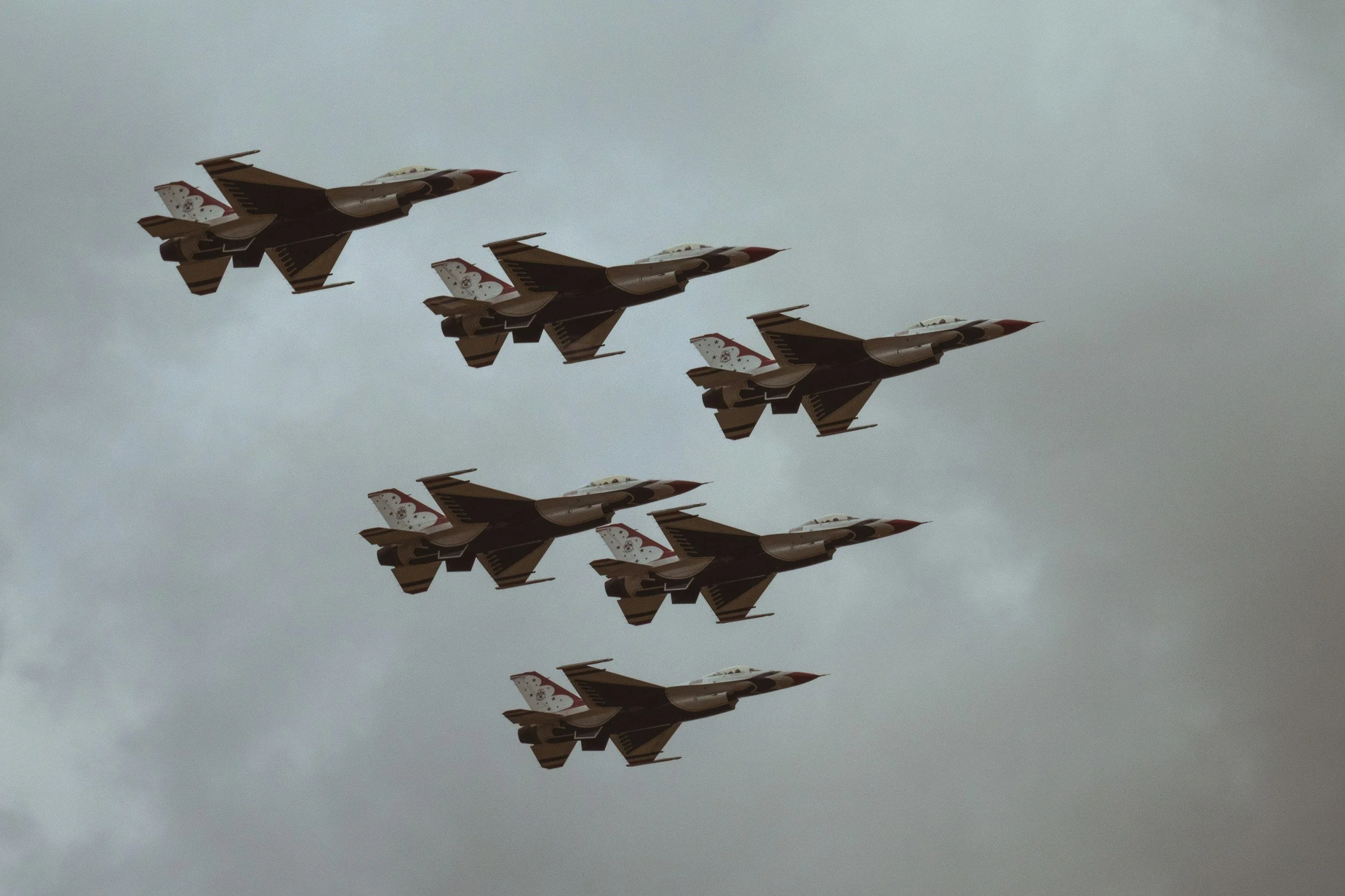
Why War and Conflict Trigger Anxiety, Even from Far Away
Your brain processes images of destruction, violence, and suffering as though they're happening nearby. Neuroscience research confirms this: the amygdala, the part of your brain responsible for threat detection, doesn't filter for geography. A bombing in another country lights up the same alarm system as a loud crash outside your front door.
Three factors make war-related anxiety especially sticky:
Unpredictability. You don't know when the next escalation will come, so your body stays on alert.
Helplessness. You're watching something unfold with no ability to change the outcome.
Moral distress. Seeing human suffering and feeling unable to stop the harm creates its own layer of psychological tension.
This combination, unpredictability plus helplessness plus moral distress, is the recipe for anticipatory anxiety. Your body braces for something bad before the bad thing arrives.
Your Nervous System Treats News Footage Like a Real Threat
Here's what's happening under the surface. Your nervous system runs a constant background scan for danger, a process called neuroception. When you scroll through graphic war footage, live updates, and first-person accounts of violence, your nervous system registers all of those inputs as real-time threats.
The result looks like:
Heart rate climbing while reading the news
Shallow breathing or breath-holding without realizing
Muscle tension in your jaw, shoulders, or stomach
A sense of dread or doom hanging over normal activities
Irritability or emotional numbness
Difficulty concentrating on work, conversations, or tasks
None of this means something is wrong with you. Your body is doing exactly what a body does when flooded with threat signals. The mismatch is between the scale of the threat (global) and your capacity to respond (individual).
Doomscrolling Is Hypervigilance in Disguise
Doomscrolling looks like a bad habit. In practice, doomscrolling is your nervous system's version of hypervigilance.
When your threat-detection system is activated, your brain wants more information. More data means better prediction, which means better preparation, which means better survival. This is the logic running underneath every "one more article" spiral.
The catch: the information never satisfies the need for safety. Each new headline adds another data point of danger without offering resolution. So you scroll more. Your body stays activated. The cycle repeats.
Doomscrolling also mimics a trauma response pattern. If you've experienced loss of control in the past, whether through personal experiences or collective events, your nervous system is already primed to lock onto sources of threat information and refuse to let go.
Signs War Anxiety Is Affecting Your Daily Life
Some worry about world events is normal and healthy. You're a person who cares about what happens to other people, and caring creates discomfort.
War anxiety crosses into something worth addressing when:
You're checking the news compulsively, more than 10 times a day, or first thing upon waking and last thing before sleep
Your sleep has changed: trouble falling asleep, waking at 3 AM, nightmares about conflict or catastrophe
You feel emotionally flat or numb, like you've used up all your capacity to feel
You're withdrawing from friends, family, or activities you used to enjoy
Physical symptoms persist: headaches, stomach problems, chest tightness, jaw pain
You're snapping at people or feeling a short fuse for no clear reason
Your productivity at work has noticeably dropped
One or two of these showing up temporarily during a breaking news cycle is expected. Several of them persisting for weeks signals your nervous system is stuck in a sustained threat response.
How to Cope with War Anxiety Without Checking Out Completely
The goal here isn't to stop caring or to pretend the world is fine. The goal is to stay informed without staying activated. These are concrete steps to try:
Set news boundaries (and make them specific)
Vague rules like "check the news less" don't work. Your nervous system needs structure.
Pick two specific times per day to check updates: one in the morning, one in the early evening
Set a timer for 15 minutes per session
Use text-based sources instead of video. Video activates your threat system more aggressively than written words.
Turn off push notifications for news apps
Ground before and after checking news
Before you open a news app, take 30 seconds to notice your feet on the floor, the temperature of the air, and three sounds around you. After you close the app, do the same thing. This bookending practice gives your nervous system a clear signal: "The scan is starting. The scan is over."
Name the feeling without fighting the feeling
Suppressing war anxiety doesn't work. Telling yourself "I shouldn't feel this way" adds a shame layer on top of an already activated system. Instead, try naming out loud what you notice: "I feel dread in my chest. I feel helpless. My jaw is tight."
Naming an emotion engages your prefrontal cortex, the part of your brain responsible for regulation. This doesn't erase the feeling. Naming shifts you from being inside the feeling to observing the feeling, which gives your nervous system a slight downshift.
Move your body to discharge the activation
Anxiety about war creates physical activation, fight-or-flight energy, with nowhere to go. Moving your body gives the energy somewhere to land:
A 10-minute walk outside
Shaking your hands and arms for 60 seconds
A few rounds of slow exhale breathing (inhale for 4 counts, exhale for 6-8 counts)
Stretching your neck, jaw, and shoulders where tension accumulates
Channel helplessness into one small, specific action
Helplessness fuels anxiety because your nervous system thrives on agency, the feeling of having some control. One concrete action, even a small one, interrupts the helplessness loop:
Donate to a vetted humanitarian organization
Write one message to a representative
Volunteer for a local cause, even if unrelated to the conflict
Support someone in your own circle who is struggling
The action doesn't need to fix the problem. The action needs to give your body evidence of agency.
Protect your mental health from the 24/7 news cycle
If you find yourself arguing in comment sections, re-reading the same articles, or unable to put your phone down, those are signs your nervous system has hijacked your news consumption. Social media algorithms reward engagement with conflict content, and engagement with conflict content keeps your threat-detection system running.
Consider:
Muting or unfollowing accounts posting graphic content
Using a single trusted news source instead of scrolling multiple feeds
Keeping your phone out of the bedroom
Asking a trusted person to summarize major updates so you don't have to scroll yourself
When War Anxiety Connects to Existing Anxiety
If you already live with anxiety, war news doesn't create a new problem. War news amplifies a pattern your nervous system already runs. The same threat-detection loop, the same hypervigilance, the same difficulty downshifting.
This is especially true if you've experienced:
A personal history of trauma or loss of safety
Generalized anxiety or chronic worry
When war anxiety stacks on top of existing anxiety, the nervous system runs hotter for longer. Recovery between activation spikes gets shorter. The strategies above still work, but you need to apply them more consistently, and you need to recognize earlier when your system is escalating.
When to Get Support for War Anxiety
Coping strategies are a starting point. If war anxiety is disrupting your sleep, relationships, work, or daily functioning for more than a few weeks, working with a therapist helps you build a longer-term strategy.
Therapy for war anxiety focuses on:
Identifying the specific nervous system patterns driving your response
Building regulation tools matched to your body, not generic advice
Processing the grief, helplessness, or moral distress underneath the anxiety
Creating sustainable boundaries around news and information consumption
I work with adults across Idaho, Utah, Colorado, Connecticut, Delaware, South Carolina, and Florida through online therapy. If war anxiety or any form of persistent anxiety is affecting your life, schedule a free consultation to talk about what's happening and whether therapy is a good fit.
FAQ
Is war anxiety a real condition?
War anxiety isn't a formal diagnosis in the DSM-5. The distress is real. Anxiety triggered by military conflict, geopolitical instability, and constant news exposure follows the same nervous system patterns as generalized anxiety. If symptoms persist and disrupt your daily life, getting professional support makes sense regardless of the label.
How do I stop doomscrolling war news?
Set two specific check-in times per day with a 15-minute timer. Switch to text-based news instead of video. Turn off push notifications. Ground yourself physically before and after each session. The goal isn't to avoid information; the goal is to prevent your nervous system from staying locked in threat mode all day.
Why does war anxiety feel physical?
Your nervous system processes images and reports of violence as though the threat is happening nearby. The result is a fight-or-flight response: increased heart rate, shallow breathing, muscle tension, stomach problems, and difficulty sleeping. These physical symptoms are your body doing its job, not a sign of weakness or overreaction.
How do I explain war anxiety to someone who doesn't get why I'm struggling?
Try framing the explanation around the nervous system. "My brain processes threat signals from the news the same way the brain processes nearby danger. I'm not choosing to be anxious. My body is reacting to what my eyes and ears are taking in." Most people understand the concept of a stress response when the explanation stays grounded in biology.
When should I see a therapist for war anxiety?
If anxiety about war or conflict is lasting longer than a few weeks, disrupting your sleep, making you withdraw from relationships, or reducing your ability to focus at work, those are signs your nervous system needs more than self-help strategies. A therapist trained in nervous system approaches helps you identify what's driving the response and build tools to regulate more effectively.
Does war anxiety mean I have PTSD?
Not necessarily. PTSD involves direct exposure to trauma or learning about trauma happening to someone close to you. War anxiety triggered by news consumption is a stress response, and while the symptoms overlap with PTSD, the clinical distinction matters. If you're concerned about PTSD symptoms, a therapist helps you sort through what's happening and match the right support.
How do I stay informed without making my anxiety worse?
Choose one or two reliable news sources and check them on a set schedule. Avoid autoplay video. Read summaries instead of live coverage when possible. Limit social media exposure to conflict content. Ground yourself before and after reading news. Staying informed and staying activated are two different things, and you get to decide where the boundary falls.
Taylor Garff, M.Coun., LCPC, CMHC, LPC, CCATP is a licensed therapist with over 10 years of experience helping adults manage anxiety, overwhelm, and identity challenges. He is licensed in Idaho (LCPC #7150), Utah (CMHC #6004), Colorado (LPC #0018672), Connecticut (LPC #8118), and Florida (TPMC #1034). He is certified in HeartMath, Safe and Sound Protocol (SSP), and breathwork facilitation. Taylor is the founder of Inner Heart Therapy, where he provides online therapy across multiple states.
