

The Neurology of Perfectionism: What Your Brain Is Doing
We all have that little voice inside our heads, don't we? It gently nudges us towards excellence, helping us reach our goals. But what happens when that voice starts demanding flawlessness, pushing us towards an ideal that doesn't exist? Well, friends, that's when we step into the realm of perfectionism. Today, let's delve deeper and understand the neurology behind this concept.


What Is the Safe and Sound Protocol (SSP) and How Can It Help You?
If you’ve ever felt like your body is constantly stuck in stress mode—unable to fully relax, focus, or feel safe—you’re not alone. Many people struggle with nervous system dysregulation due to anxiety, trauma, ADHD, or sensory processing challenges.
The Safe and Sound Protocol (SSP) is a groundbreaking, science-backed intervention designed to help your nervous system reset, making it easier to experience calm, connection, and focus. Developed by Dr. Stephen Porges, SSP is based on Polyvagal Theory, which explains how our nervous system responds to safety and threat.
SSP uses specially processed music to stimulate the vagus nerve, a key player in emotional regulation, social engagement, and stress resilience.

Can We Ever Feel Safe Again? Coping with Political Upheaval and Uncertainty
When political chaos dominates the headlines, it’s easy to feel like the world is unraveling. Elections, civil unrest, threats to democracy, human rights concerns, and economic instability can all create a lingering sense of fear, uncertainty, and helplessness.

The Psychological Toll of Living Through Historic Events (Over and Over Again)
From political turmoil to global crises, it feels like we’re constantly living through history. Learn how repeated exposure to high-stress events impacts mental health and discover coping strategies to protect your well-being.

Living in the Grip of Anxiety and Perfectionism
Life can sometimes feel like a relentless pursuit of perfection. In our minds, we paint this ideal picture of our lives, what we should achieve, and who we should be. But anxiety creeps in when reality falls short of this ideal, wrapping us in its relentless grip.


How Doomscrolling Can Increase Anxiety
Staying up-to-date on world issues is an admirable thing, but consuming stories endlessly to avoid feeling ignorant can be harmful to your mental health. The same sentiment goes for over-consuming aspirational content in the name of bettering yourself when, in reality, you use it to dock points against yourself.
Or, as psychologists call it, doomscrolling.

Taking Care of Your Mental Health in a Time of Political Chaos
Political chaos can take a serious toll on your mental health. Learn how to manage political anxiety, set boundaries with news, and stay engaged without emotional exhaustion.

Fear of the Future: Managing Anxiety About What Comes Next in the U.S.
Uncertainty about the future of the U.S. can be overwhelming. Learn how to manage anxiety about political instability, economic uncertainty, and social change while staying engaged without burnout.

How to Cope with Political Anxiety (Without Burning Out)
Political anxiety can feel overwhelming, especially when the stakes are high. Learn how to stay informed without burnout, manage stress, and take action without letting fear take over.

When Democracy Feels Fragile: Coping with Fear About the Future
Feeling anxious about the state of democracy? You’re not alone. Learn how to manage political anxiety, stay informed without feeling overwhelmed, and regain a sense of control during uncertain times.



Taming the Beast: How Perfectionism Feeds Anxiety
Have you ever felt that deep, unsettling sensation that no matter how hard you try, your work is never "good enough"? You may be someone who believes in giving their best, always, and this sounds familiar. This is the crux of perfectionism. It's not about striving to be the best - it's about the relentless pursuit of an unattainable standard. It's about the fear of failure, of being seen as "less than."
Now, let's think about anxiety. It's that nagging feeling of unease. The cold dread wakes us in the middle of the night. It's the chronic worry that something bad is about to happen.

Gen-Z and Why They Can’t Avoid Anxiety
Gen Z gets stereotyped for a lot of different reasons, but if you’re a part of that generation, you probably know that so many of those tropes aren’t true. In fact, what most people don’t realize is that many Gen Zers struggle with anxiety.
Sound familiar?
Anxiety has become so normalized with Gen Z that you’ll probably be hard-pressed to find someone in the generation who doesn’t deal with it on some level. But, why? Why are younger generations seemingly so more susceptible to anxiety, and what does it mean for your future?
There are many factors that can play into the anxiety impacting Gen Z. If you’re a part of this generation and tend to struggle with anxious thoughts and feelings, understanding the “why” can be the first step in fighting back.
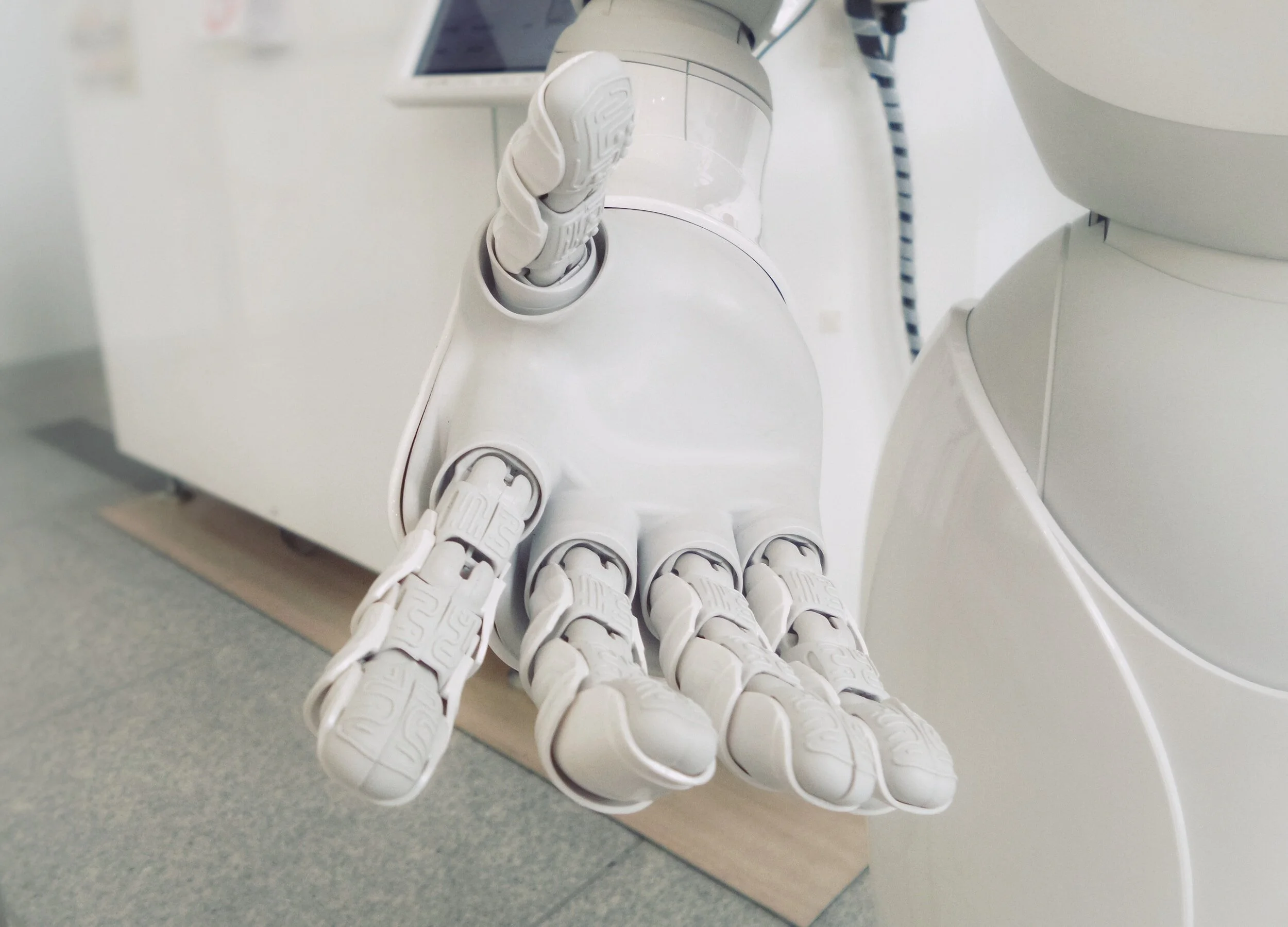
Embracing AI: Finding Calm in the Midst of Technological Change
There's a sense of calm in understanding, isn't there? When we can look at a situation and say, "I get it now." That moment when the clouds part and the sun begins to shine. It's that feeling we get when we unravel the mystery behind a concept, especially something as intricate as Artificial Intelligence (AI).

The Intricate Dance: Understanding the Connection between IBS and Anxiety
I'd like you to take a deep breath with me because today, we're diving into a personal and complex topic—the connection between Irritable Bowel Syndrome (IBS) and anxiety.
Have you ever felt the knot of butterflies in your stomach when you're nervous? That's because our brain and gut are connected, sharing an intricate two-way communication line. Imagine if these butterflies were not just occasional guests but constant companions. That's what life is like with IBS and anxiety.