Best Breathwork Exercises for Anxiety and Nervous System Regulation
Breathing exercises work for anxiety. But not all of them work the same way, and knowing why a technique works helps you choose the right one for the moment you're in.
The best breathwork exercises for anxiety target the nervous system directly. Your breath is the one autonomic function you control voluntarily. By changing the pattern, you send specific signals to the vagus nerve, which shifts your nervous system state from activation toward regulation.
Here are five evidence-backed techniques, the nervous system science behind each, and guidance on when to use which.
Why Breathwork Changes the Nervous System
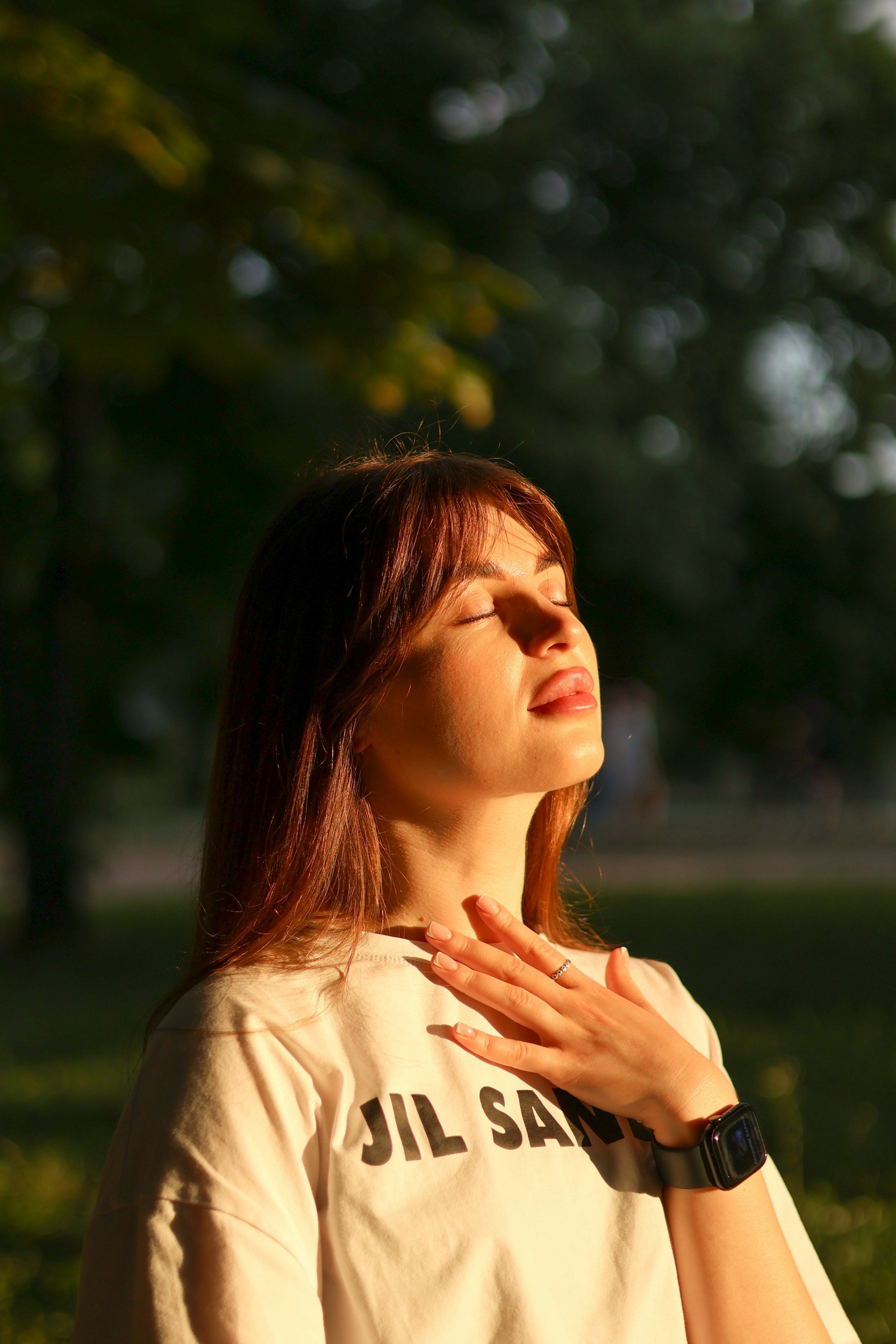
Your breathing pattern and your nervous system state mirror each other:
In fight-or-flight: breathing is fast, shallow, chest-dominant
In shutdown: breathing is restricted, barely noticeable, sometimes with holding patterns
In the regulated state: breathing is slow, deep, diaphragmatic, with a longer exhale
The relationship runs both directions. When the nervous system activates, breathing changes. When you deliberately change your breathing, the nervous system follows.
The exhale is the key. Exhaling activates the vagus nerve's parasympathetic branch, which signals the body to slow heart rate, reduce cortisol, and shift toward calm. Every technique below works by extending or emphasizing the exhale.
Technique 1: Extended Exhale Breathing
How: Inhale through the nose for 4 counts. Exhale through the nose or mouth for 6-8 counts.
Why this works: The longer exhale directly stimulates vagal tone, the strength of the vagus nerve's calming signal. The 4:6 or 4:8 ratio consistently shifts heart rate variability toward the parasympathetic (calm) side.
When to use: This is the all-purpose regulation tool. Anxiety spike at your desk, racing thoughts before bed, pre-meeting nerves. Start here when you're not sure which technique to use.
Duration: 2-5 minutes, or 8-12 breath cycles.
Tips: If 4:8 feels strained, use 4:6 and build gradually. Forcing a longer exhale activates more tension, which defeats the purpose.
Technique 2: Box Breathing (4-4-4-4)
How: Inhale for 4 counts. Hold for 4 counts. Exhale for 4 counts. Hold for 4 counts. Repeat.
Why this works: The even rhythm interrupts erratic breathing patterns. The holds create a brief pause in the sympathetic cycle, giving the nervous system a predictable input to entrain to. Navy SEALs use this technique under high-stress conditions because the pattern works when fight-or-flight is running hard.
When to use: High-activation moments where the anxiety is intense and you need something structured to anchor your attention. Panic onset, acute stress, the middle of a heated conversation.
Duration: 4-8 cycles (about 2-4 minutes).
Tips: The holds might feel uncomfortable at first. Start with 3-count holds and work up to 4. If holding your breath increases anxiety, skip this technique and use extended exhale breathing instead.
Technique 3: Physiological Sigh
How: Two quick inhales through the nose (first inhale fills the lungs halfway, second inhale tops them off), followed by one long, slow exhale through the mouth.
Why this works: Research from Stanford's Huberman Lab found this pattern to be the fastest single-breath technique for reducing sympathetic activation. The double inhale maximally inflates the alveoli (tiny air sacs in the lungs), which triggers a strong calming signal on the exhale. Your body does this naturally during crying or right before sleep.
When to use: When you need fast relief and don't have time for a multi-minute practice. Before walking into a meeting, during a sudden anxiety spike, after receiving stressful news. One to three repetitions are enough.
Duration: 1-3 breaths. That's the entire practice.
Tips: The double inhale sounds like two short sniffs. The exhale should be audible and slow. This technique is discreet enough to do in public without anyone noticing.
Technique 4: 4-7-8 Breathing
How: Inhale through the nose for 4 counts. Hold for 7 counts. Exhale slowly through the mouth for 8 counts.
Why this works: The extended hold and long exhale create the strongest parasympathetic activation of any standard breathing technique. The 7-count hold allows CO2 to build slightly, which paradoxically promotes calm by triggering a deeper relaxation response on the exhale.
When to use: Before sleep (this is the best breathwork technique for insomnia and sleep anxiety), during prolonged anxiety episodes, or as a dedicated wind-down practice.
Duration: 4-8 cycles. Many people feel sleepy after 4 cycles, which makes this ideal for nighttime use.
Tips: This technique is intense for beginners. If the 7-count hold creates panic, start with 4-5-6 and build up over a few weeks. Forcing the holds too early increases anxiety instead of reducing the anxiety.
Technique 5: Diaphragmatic Breathing (Belly Breathing)
How: Place one hand on your chest and one on your belly. Breathe in through the nose so your belly pushes your hand out while your chest stays relatively still. Exhale slowly.
Why this works: Chest breathing is a signature of sympathetic activation. Diaphragmatic breathing switches the pattern. The diaphragm pressing down massages the vagus nerve where the nerve passes through the diaphragm, directly stimulating the calming branch.
When to use: As a daily practice to build nervous system resilience over time. Morning regulation routine, mid-afternoon reset, or anytime you notice you've been chest-breathing (which most anxious people default to throughout the day).
Duration: 5-10 minutes for a practice session. Once the pattern is trained, diaphragmatic breathing becomes your default and runs without conscious effort.
Tips: Lying down makes belly breathing easier to learn. Once the pattern is established, practice sitting and standing so the skill transfers to real-world situations.
Which Technique, When: A Quick Guide
"I need something right now, one breath": Physiological sigh
"I'm anxious and need to calm down in 2-5 minutes": Extended exhale breathing
"I'm in high-stress mode and need structure": Box breathing
"I'm trying to sleep and my brain won't stop": 4-7-8 breathing
"I want to build long-term nervous system resilience": Daily diaphragmatic breathing practice
Common Mistakes With Breathwork for Anxiety
Forcing the breath too aggressively
Breathwork should feel like steering, not straining. If a technique makes you more anxious, the ratio or duration is too intense. Scale back and build gradually.
Using breathwork as the only tool
Breathing techniques address symptoms in the moment. If anxiety is chronic, body-based, or rooted in long-standing patterns, breathwork alone won't resolve the underlying nervous system activation. Breathwork is a regulation tool, not a treatment.
Expecting instant results
One session of box breathing won't rewire your nervous system. The benefits compound with practice. Regulation capacity builds the same way physical fitness builds: through consistent, repeated effort over weeks and months.
Building a Breathwork Practice
A daily practice doesn't need to be long:
Morning: 5 minutes of diaphragmatic breathing to start regulated
Midday: 1-2 physiological sighs when you notice tension building
Evening: 4-8 cycles of 4-7-8 breathing before bed
As needed: extended exhale breathing during anxiety spikes
This takes less than 10 minutes total across the day and changes your nervous system's baseline activation over 4-6 weeks of consistent practice.
If you want a structured introduction to breathwork for nervous system regulation, the Breathwork Basics guide walks through each technique with pacing cues and a daily schedule.
For anxiety that breathwork alone isn't reaching, Inner Heart Therapy offers telehealth anxiety sessions across Idaho, Utah, Colorado, Connecticut, Delaware, South Carolina, and Florida.
Schedule a free consultation to talk about whether your anxiety pattern needs more than regulation tools.
FAQ
What is the best breathing exercise for anxiety?
Extended exhale breathing (inhale 4, exhale 6-8) is the most versatile and effective for general anxiety. For rapid relief, the physiological sigh (two short inhales, one long exhale) works in a single breath. For sleep anxiety, 4-7-8 breathing is the strongest option.
How does breathwork help the nervous system?
Slow, extended exhales stimulate the vagus nerve, which activates the parasympathetic (calming) branch of the nervous system. This reduces heart rate, lowers cortisol, and shifts the body from fight-or-flight toward a regulated state.
How long does breathwork take to reduce anxiety?
A single session of extended exhale breathing (2-5 minutes) produces measurable reductions in heart rate and cortisol. Long-term nervous system resilience builds over 4-6 weeks of daily practice. The physiological sigh produces relief in one to three breaths.
Is box breathing good for anxiety?
Box breathing works well for high-activation moments where you need structure to anchor your attention. The equal ratios (4-4-4-4) interrupt erratic breathing patterns. Some people find the breath holds uncomfortable, in which case extended exhale breathing is a better fit.
Why does deep breathing sometimes make anxiety worse?
Forcing a breathing pattern that's too intense (long holds, aggressive inhales) increases tension and activates more sympathetic response. If a technique increases anxiety, reduce the ratio and build gradually. Breathwork should feel like steering, not straining.
Should I see a therapist if breathwork isn't helping my anxiety?
If breathwork helps in the moment but the anxiety returns to the same baseline, the underlying nervous system pattern needs more than regulation tools. Therapy addresses the root activation driving chronic anxiety, while breathwork maintains the gains between sessions.
